Last month, my wife and I attended a traveling exhibition in Chicago that celebrated the 100th anniversary of the Walt Disney Company, and the aftertaste that it left me with was bittersweet at best. It was fascinating to view Walt’s humble origins, which stretched back to October of 1923, where he signed a contract to produce a series of dazzling Lewis Carroll-inspired “Alice Comedies” that combined a live-action character with animation, a technique he later perfected in the greatest of all Disney films, Robert Stevenson’s 1964 classic, “Mary Poppins.” Yet all of the innovation on display was a far cry from the creativity-stifling enterprise that the century-old studio has become, as evidenced by its thoroughly underwhelming output in 2023.
In a year where the film industry’s writers and actors went on a historic strike to ensure that their work was being valued rather than replaced by Artificial Intelligence, mainstream audiences rejected a good deal of the mediocrity offered by studios like Disney in favor of risk-taking blockbusters with a humanity that no algorithm could replicate. The year’s two highest-grossing movies opened on the same day—July 21st—and were embraced by viewers as a double bill that single-handedly renewed our collective hope in the enduring life span of cinema. It was honestly difficult for me to whittle my annual top films list down to a mere twenty titles, yet rest assured that the following countdown is accompanied by a slew of honorable mentions, including three treasures made exclusively for streaming that were as brilliant as anything seen on a big screen.
So without further ado, here are my picks for the year’s best films, which were simultaneously published today at RogerEbert.com…

20. Oppenheimer
The second half of this year’s record-breaking “Barbenheimer” double bill was Christoper Nolan’s three-hour epic about J. Robert Oppenheimer (played to perfection by Cillian Murphy), the American scientist responsible for the atomic bomb that ended World War II, while killing hundreds of thousands of innocent civilians in the process. The tremendously chilling moment where Oppenheimer addresses a foot-stomping crowd after the Trinity nuclear test is one of the greatest single scenes of the director’s career, and honestly would’ve caused the picture to rank higher on this list, had Nolan not failed to make much of his wall-to-wall dialogue coherent outside of IMAX screens. Still, this film remains one of the year’s most impressive achievements, with stellar supporting work from Robert Downey Jr., Florence Pugh, Alden Ehrenreich, Gary Oldman and a gallery of uniformly fine character actors. Looking forward to seeing it again—this time with subtitles.
19. Tótem
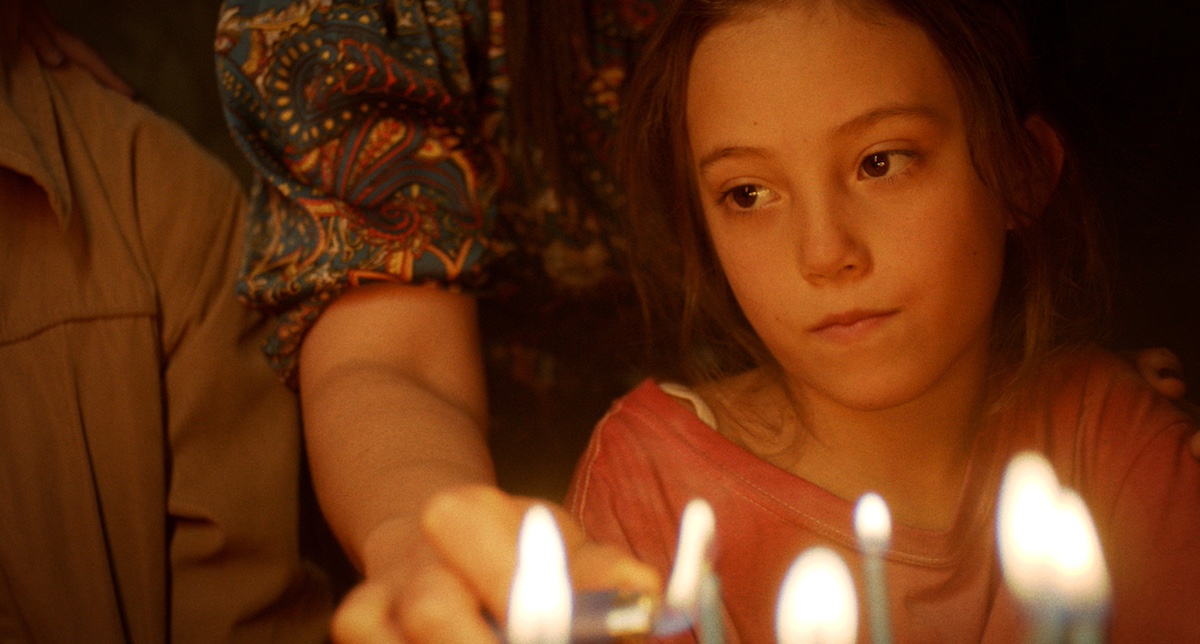
Mexico’s official Oscar submission for this year warrants comparison with Jonathan Demme’s magnum opus, “Rachel Getting Married,” in how it fully immerses us in the communal warmth and underlying tensions of a large family gathering—in this case, a party celebrating the birthday of a terminally ill man, Tonatiuh (Mateo Garcia). Writer/director Lila Avilés observes the build up to the climactic lighting of birthday candles from various perspectives, particularly that of Tonatiuh’s seven-year-old daughter, Sol (Naíma Sentíes), whose prolonged stare into the camera, as she feels the weight of the sadness amidst the smiles, will haunt you long after the final fade out. Yet this film is anything but a mournful dirge, as it expresses the vitality of savoring every moment to which we are blessed, and to not—as Sol’s cousin tenderly advises—let something as trivial as a burned cake ruin our whole day. It is at once naturalistic, charming, heartrending and sneakily profound.
18. Eileen
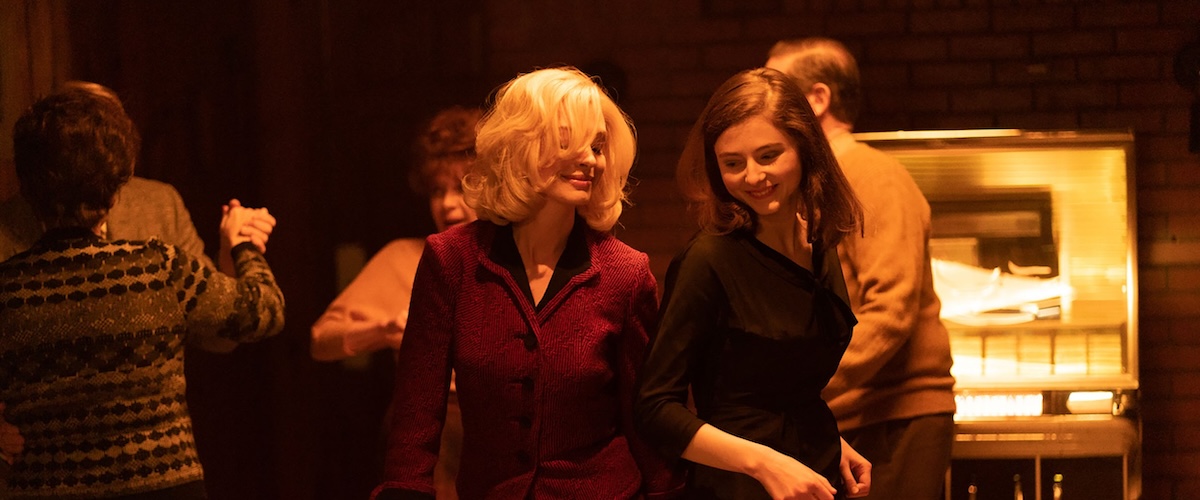
Ever since her breakout role in Debra Granik’s great 2018 film, “Leave No Trace,” Thomasin McKenzie has proven time and again to be one of the most gifted actors of her generation. After having the privilege of meeting her on multiple occasions, I also happen to know that she exudes an uncommon goodness that tends to register in her roles a la Audrey Hepburn—which is why I was all the more galvanized to see her deeply disquieting and utterly unpredictable turn in “Lady Macbeth” director William Oldroyd’s excellent adaptation of Ottessa Moshfegh’s novel. As a lonely young woman abused by her father (Shea Wigham) and tantalized by a new co-worker (a radiant Anne Hathaway), McKenzie’s intricately nuanced performance keeps us on the edge of our seats. Yes, the film is enhanced by Richard Reed Parry’s vibrant score and Marin Ireland’s show-stopping monologue, yet it is McKenzie who makes it impossible for us to tear our eyes from the screen.
17. Moon Garden
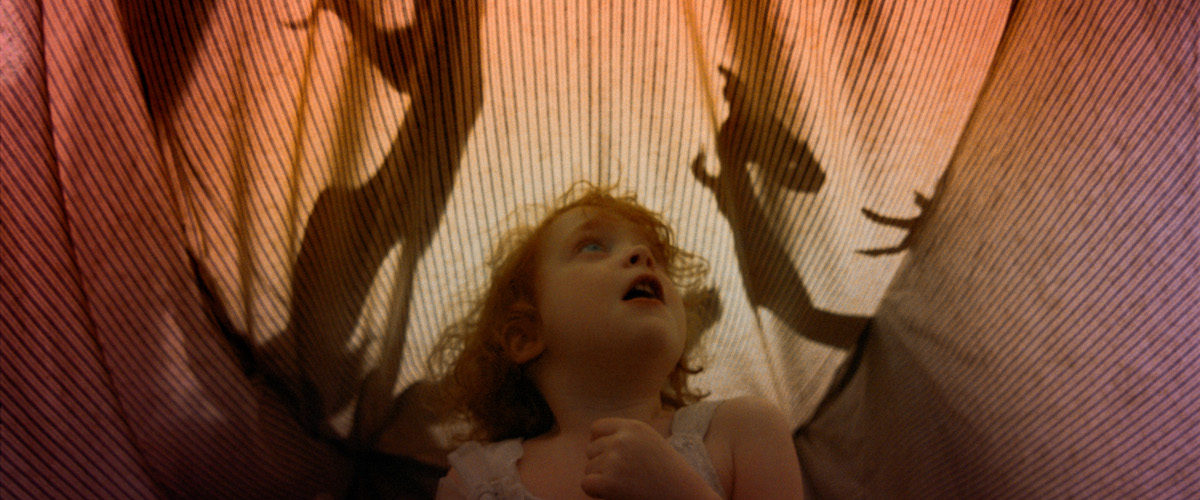
Even in an art house-loving city like Chicago, many films come and go all too quickly. Ryan Stevens Harris’ gem screened only a few times at my wife and my favorite cinema palace, the Music Box Theatre, and we couldn’t be more grateful that we caught it, as it is an astonishing triumph of the imagination, anchored by a remarkable performance from the director’s young daughter, Haven Lee Harris. She plays a five-year-old girl who navigates her way through a fantastical and often nightmarish landscape as her body lies in a coma. It is a startlingly powerful fable that deserves to be ranked alongside the great cinematic works inspired by Lewis Carroll, from Guillermo del Toro’s “Pan’s Labyrinth” to Jan Švankmajer’s “Alice,” along with such achingly poignant tour de forces as “Beasts of the Southern Wild.” If 2024 is hard up for theatrical releases as a result of the strikes, I encourage theaters to re-release this film, which could easily become a midnight movie favorite.
16. Priscilla
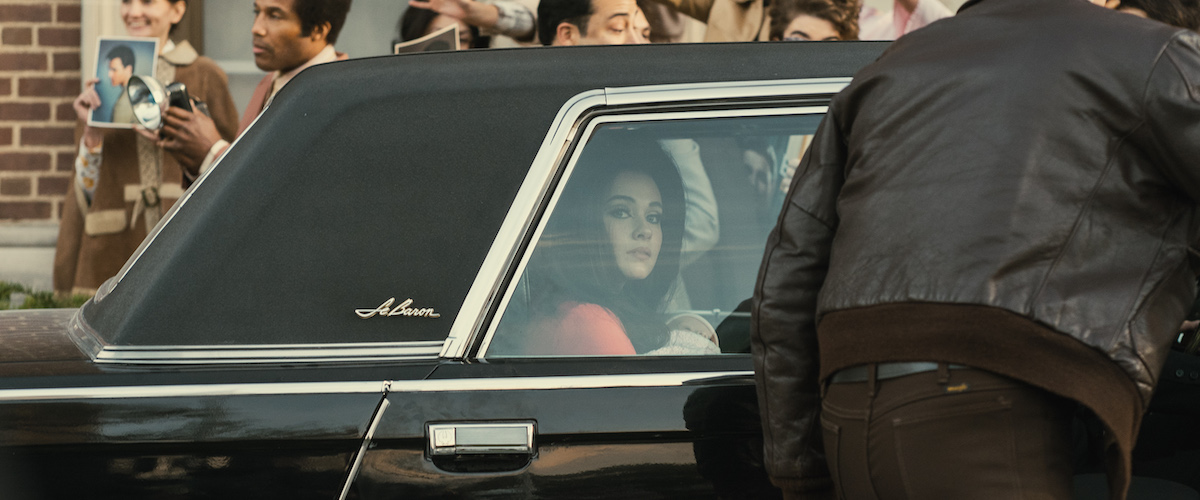
Another of the year’s best performances is delivered by 25-year-old Cailee Spaeny in writer/director Sofia Coppola’s sublime screen adaptation of Priscilla Presley’s memoir. With the film’s shooting schedule limited to a mere 30 days due to a crucial portion of its financing falling through, Spaeny had the formidable task of capturing the full arc of Priscilla’s evolution from the ages of 14 to 28. This is one of those rare films in which you truly feel that you are watching someone grow up before your eyes, as Spaeny brings every step of her character’s journey—from the first pangs of love to the need for separation—to wholly convincing life (Jacob Elordi further affirms his range as a more troubling version of Elvis than the one idolized by Baz Luhrmann’s flick). Coppola expands here upon her signature theme of young female outsiders in ways both heartbreaking and cathartic, leading up to a pitch-perfect use of Dolly Parton on the soundtrack that leaves us wanting more.
15. Sanctuary
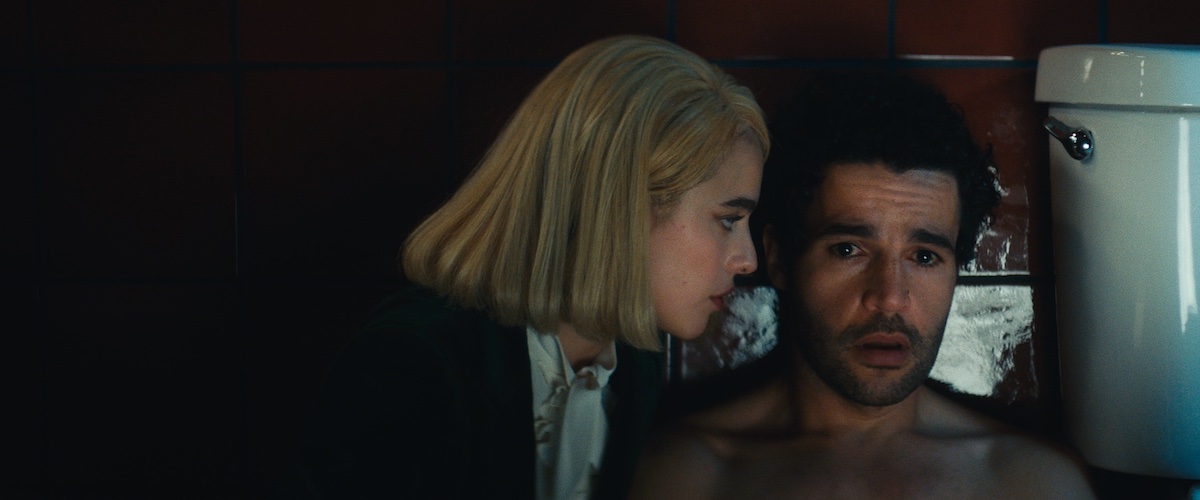
Despite their esteemed filmographies, Margaret Qualley and Christopher Abbott may be two of the most underrated actors working today. If I had my way, Qualley’s phenomenal Netflix miniseries “Maid” would’ve swept the Emmys, while Abbott’s riveting portrayal of the title role in “James White” would’ve been considered a serious Oscar contender. Now director Zachary Wigon has brought them together for a deliriously enjoyable mind game penned with wit and intelligence by Micah Bloomberg—and the results are explosive. After realizing a sexual fantasy meticulously scripted by her rich client, Hal (Abbott), dominatrix Rebecca (Qualley) is surprised to find him attempting to relieve her of further duties. When Rebecca refuses to budge, what follows is a twisted two-hander that provides an impeccable showcase for these powerhouse talents, including yet another uproariously spontaneous excuse for Qualley to dance the night away.
14. Albert Brooks: Defending My Life
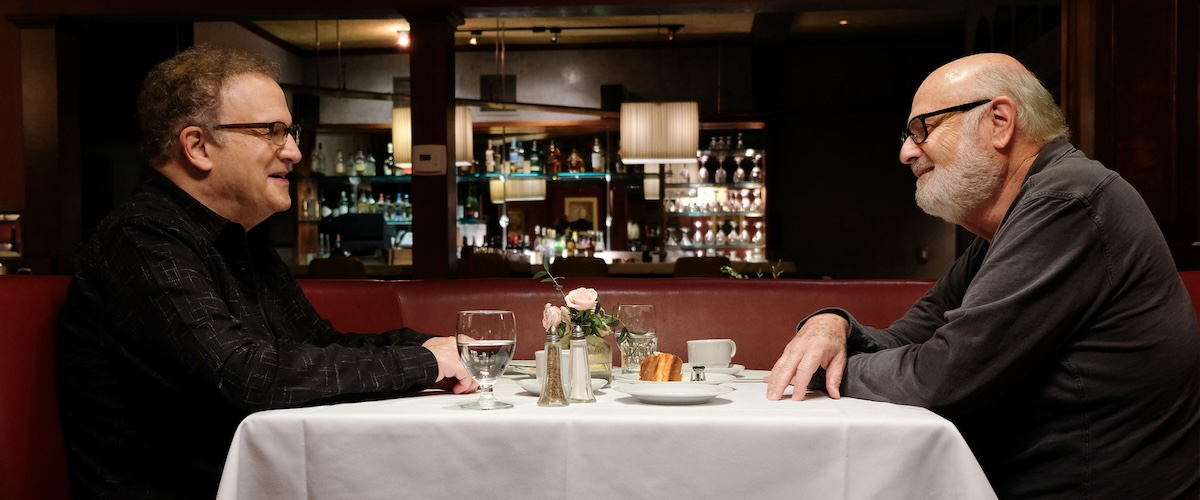
Sometimes it takes one comic titan to give another the tribute they deserve. After going toe-to-toe with Carroll O’Connor on “All in the Family” and subsequently helming comedy classics of his own (“This is Spinal Tap,” “The Princess Bride”), Rob Reiner has now turned his lens on one of his lifelong friends, Albert Brooks, a man who has elicited many of the biggest laughs of my life, in an HBO documentary that ranks among my most euphoric moviegoing experiences of 2023. As a director, Brooks has masterfully tackled everything from reality television (“Real Life”) to the afterlife (“Defending Your Life”), yet he is every bit as gifted an actor (just look at the range he displays in “Broadcast News,” “Finding Nemo” and “Drive”). Yet for me, the work of his I cherish above all is his uproariously relatable 1996 film, “Mother,” which paired him with an Oscar-worthy Debbie Reynolds, and Reiner sheds light on why that picture was such a personal one for him. What a treat!
Read my 2015 appreciation of “Mother” here.

13. Tori and Lokita
Belgian auteurs Jean-Pierre and Luc Dardenne are, in my mind, the modern masters of suspense. What makes their work especially gripping is the fact they deal not in heightened genres but stories of seeming everyday life as experienced by the undervalued in society. So deeply was I involved in their 1996 breakthrough work, “The Promise,” that I began shouting at the screen during the film’s final moments just as audiences did in 1960 when Vera Miles crept toward the basement in “Psycho.” The same magic happened again when I streamed the directors’ latest feature—their best in over a decade—on The Criterion Channel. Pablo Schils stars as Tori, a 12-year-old immigrant in Belgium who looks to 17-year-old Tori (Joey Mbundu) as his sibling. When the pair are separated by the unfeeling hands of bureaucracy, we find ourselves rooting for them to reunite. It is the lack of sentimentality with which this story is told that makes it resonate all the more in our hearts.
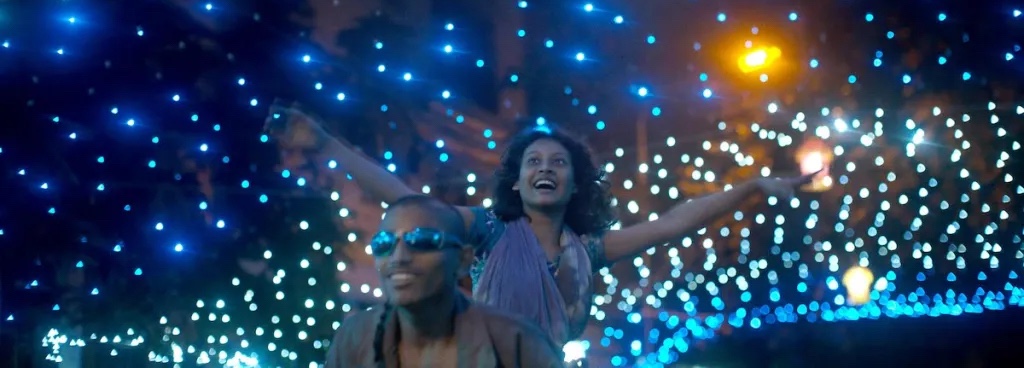
12. Mighty Afrin: in the time of floods
Angelos Rallis’ spellbinding feature begins on a mud island off the Brahmaputra river that is in danger of being extinguished by the ravages of climate change. Amidst the volatile weather, we see the film’s indomitable 11-year-old subject, Afrin Khanom, holding her own, even while submerged in water. Over a period of five years, Rallis’ camera follows the orphaned girl to Bangladesh as she searches for the father who left her, while befriending other children who are living on the streets. Rallis never exploits his young subjects, but rather, empowers them to go on the cathartic journey of sharing their stories through a hybrid of documentary and narrative techniques. Like his 2017 triumph, “Shingal, Where Are You?”, which centered on a family of Yezidis who were displaced after their titular town was attacked by ISIS, this film should be considered required viewing for every American citizen. Here’s hoping it will receive U.S. distribution in the year to come.
Read my interview with Afrin Khanom and Angelos Rallis here.

11. Monster
Hirokazu Kore-eda’s richly humanist thriller deservedly won the Best Screenplay prize at Cannes for the rare feat it achieves by enabling us to peer through the eyes of its characters in a way that is transformative. By the end, we understand where each person is coming from no matter how inexplicable their behavior may have appeared at first glance. We begin with feeling the entirely justifiable outrage of Saori (Sakura Ando), a mother who believes her cries of protest triggered by the abuse of her son’s teacher, Hori (Eita Nagayama), are falling on maddeningly deaf ears. It isn’t until we view the same events from the perspectives of Hori and ultimately Saori’s son, Minato (Soya Kurokawa), that the heartbreaking story comes into clearer focus. To say more would rob the picture of its cumulative impact, though I do believe it would make a cathartic pairing with one of the best films from last year, Lukas Dhont’s equally perceptive coming of age tale, “Close.”
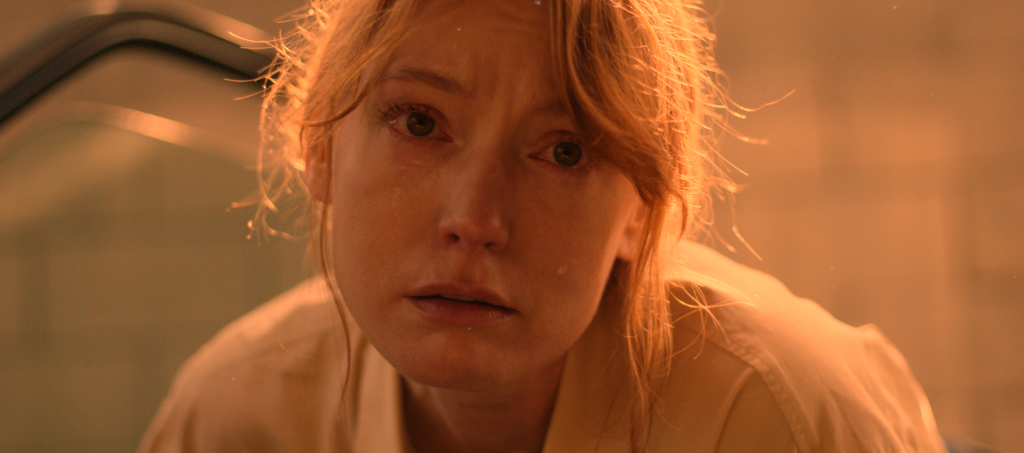
10. Fuzzy Head
“To understand my work,” David Lynch once told a bewildered moviegoer in Chicago, “you must follow the emotion. Because if you follow the buttermilk, you’ll end up going to the dairy.” The same rule of thumb could be applied to writer/director Wendy McColm’s thoroughly captivating sophomore feature effort. In the wake of her mother’s sudden death, guilt-ridden Marla (McColm) embarks on an impressionistic journey through childhood memories fraught with trauma to make sense of the tragedy. The dreamscape visualized here is wonderfully crafted and not without humor, thanks in part to the film’s splendid ensemble. Alicia Witt delivers one of the best performances of her career as Marla’s mother, while a hypnotic sequence featuring theremin music performed by Rain Phoenix is alone worth the price of admission. Yet it is the film’s achingly raw emotional truth that resonates above all else, cementing McColm’s status as a major visionary talent.
Read my interview with Wendy McColm here.
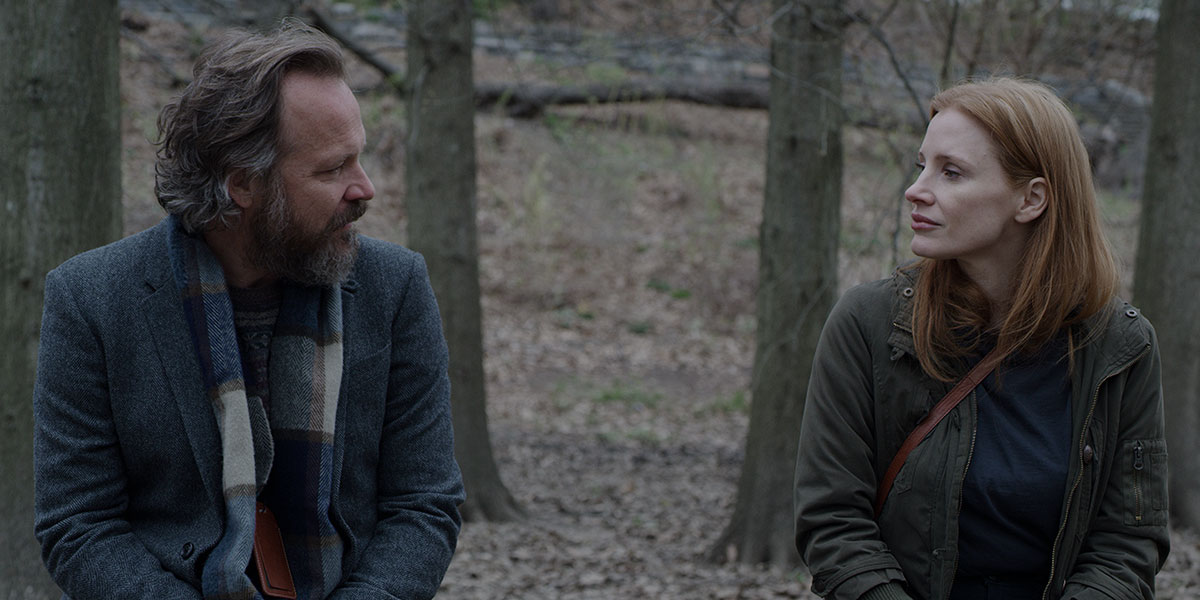
9. Memory
Mexican writer/director Michel Franco’s latest unflinching character study is the sort of work that I instinctively respond to. It intrigues us by withholding most of its expository information, enabling us to peel back layer upon layer of the characters’ lives through observing their interactions with one another. Stripped of the distracting prosthetics that accompanied her Oscar-winning portrayal of Tammy Faye Baker, Jessica Chastain reminds us why she is one of our best actors with her wrenching performance as Sylvia, a social worker reeling from the sexual abuse she endured as a child, and that her mother (“Suspiria” star Jessica Harper) refused to believe had occurred. Having experienced this sort of denial firsthand, I was overwhelmed by Franco’s film in the best sense. With its inspired cast, which also includes Merritt Wever, Josh Charles, Elise Fisher, and a never-better Peter Sarsgaard, this is an under-the-radar contender that demands to be sought out.
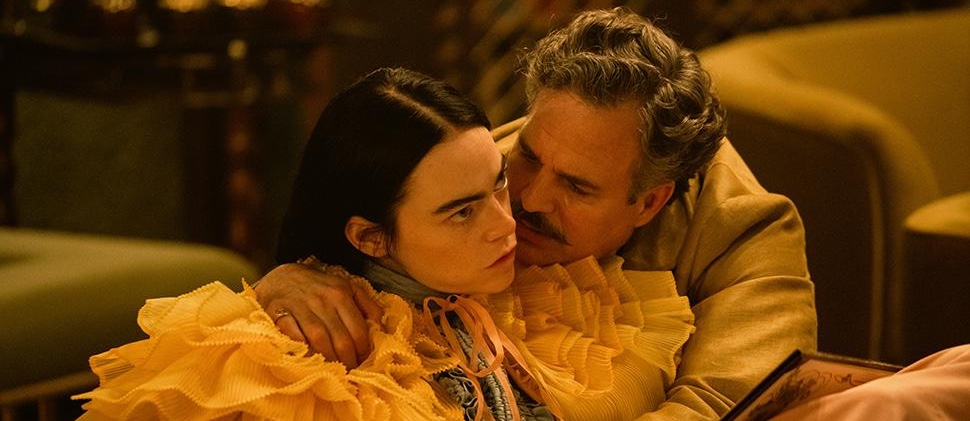
8. Poor Things
Greta Gerwig’s “Barbie” would’ve made a far more fitting double bill with the latest uncompromising marvel from Greek master Yorgos Lanthimos. Both films offer sublimely funny musings on what it means to be human, specifically of the female persuasion, as discovered by a woman who starts out blissfully unaware of her own humanity. Entire cities are constructed on old school soundstages to reflect the childlike view of their protagonists, while toxic masculinity is hilariously satirized. And when it comes to staging jaw-dropping dances, no one tops Lanthimos, who set the bar in 2009’s “Dogtooth” with its rebellious “Flashdance”-inspired performance from its heroine. Emma Stone delivers her best performance ever as Bella, who is brought back to life by a scientist, only for her growing autonomy to confound the men she encounters, most especially a Ken-like Mark Ruffalo. It all leads to what is easily Lanthimos’ most satisfying, applause-worthy ending to date.
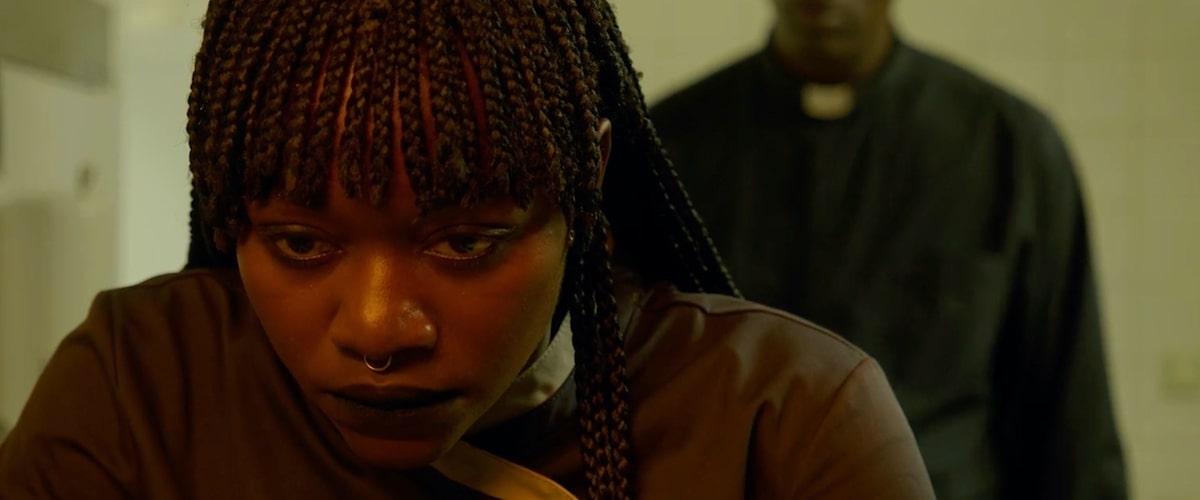
7. Our Father, the Devil
No list of the year’s best performances is complete without Babetida Sadjo’s ferocious, shattering and ultimately soul-cleansing performance in writer/director Ellie Foumbi’s magnificent debut feature. Sadjo plays Marie, an African refugee in the South of France who encounters, much to her horror, Father Patrick (Souleymane Sy Savane of “Goodbye Solo”), the warlord who murdered her family, now attempting to have a new life as a Catholic priest. How Marie goes about holding Patrick accountable without mercy, even as the similarities in their backgrounds are illuminated, is best left for the viewer to experience. Cinematographer Tinx Chan skillfully immerses us in Marie’s vengeance-filled psyche, as she gradually makes steps toward reclaiming the parts of herself that had been robbed from her. The real award for any work of art is its ability to stand the test of time, and that is precisely what Sadjo and Foumbi have created here. It is a film that may leave you forever changed.

6. Past Lives
The indelible image that begins writer/director Celine Song’s extraordinary debut feature is that of Nora (Greta Lee) seated between two men—Jung (Teo Yoo) and Arthur (John Magaro)—at a bar. We hear the voices of onlookers whispering about them, guessing what their relationship might be to one another. The scenes that follow not only fill in those blanks, but illustrate how Nora serves as a bridge connecting these two men whose paths would otherwise never have crossed. Song’s story could’ve easily slid into the hackneyed melodrama of rivalry and grand gestures, yet what makes this film so refreshing is that it is populated by adults who are grounded, rational and not without empathy. I saw the film with a packed audience at the Music Box, and you could hear a pin drop during the film’s climactic scene, which holds on a look between two individuals—and the space between them—that seems to last an eternity, and yet I kept hoping it would never end.

5. Anatomy of a Fall
Justine Triet became only the third woman in the history of Cannes to receive its coveted top prize, the Palme d’Or, for this engrossing character study that has refused to leave my mind since I’ve seen it. Sandra Hüller, the spectacularly talented star of Maren Ade’s “Toni Erdmann,” delivers a performance here that will finally earn her an Oscar nomination if there is any justice. She plays a successful writer whose husband falls to his death outside their home. Was it an accident, a suicide…or did she push him? Though it does appear on the surface to be a gender-flipped variation on “The Staircase,” Triet’s two-and-a-half hour thriller casts its own distinctive spell by involving us in the perspective of Hüller’s blind son, played by the wonderful Milo Machado Graner. I’m still turning over in my head the meaning of what occurs in the film’s last act, which is guaranteed to inspire some of the most stimulating post-screening discussions you’ll have all awards season.

4. The Zone of Interest
Jonathan Glazer’s fourth feature has haunted my nightmares ever since I read the first dispatches about it that were filed at Cannes, where it won the Grand Prix. Michael Haneke’s 2009 Palme d’Or winner, “The White Ribbon,” about the generation of children who would grow up to become Nazis, starred Christian Friedel as a suspicious school teacher. Here, Friedel plays the commandant of Auschwitz who lives with his family in a home directly outside the camp. The film contains us inside their house and garden as they go about mundane tasks a la Jeanne Dielman while the unseen atrocities occurring just behind the wall are suggested through sound design, shot composition and another mesmerizing atonal score from Mica Levi. Sandra Hüller is flat-out terrifying as the commandant’s wife, and there’s an unforgettable final moment that seems to pay direct homage to Joshua Oppenheimer’s 2012 landmark documentary, “The Act of Killing.” Considering the atrocities occurring in our world at this very moment—and our country’s own complicity in them—this film hits so close to home that some viewers may simply want to look away. It’s not an easy watch, but it is an essential one.
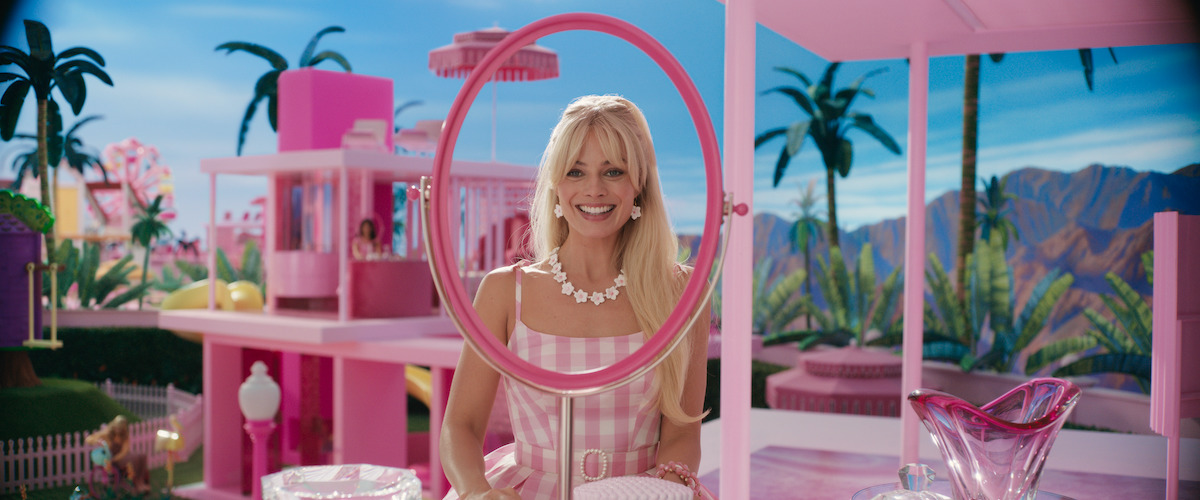
3. Barbie
Here is the masterwork that Greta Gerwig’s entire career has been leading toward, from her brilliantly portrayed existential crises in the collaborations she forged with Joe Swanberg to her direction of Saoirse Ronan as a young woman uncomfortably trying on new personas in “Lady Bird.” It is the most wickedly funny, fiercely intelligent and visually beguiling major studio release in ages. After my wife and I saw it in Indianapolis, we headed to the bar next door afterward, where I ordered a drink entitled Carrie Fisher to honor the late great woman who I believe would’ve loved this picture, having known all too well what it felt like to be a doll. In the role of “stereotypical Barbie,” Margot Robbie nails every beat of the spiritual awakening that occurs within her character, while Ryan Gosling is an absolute hoot as her infatuated Ken, who ultimately must learn that he is indeed “Kenough.” The way Gosling affectionately parodies his former “Mickey Mouse Club” co-star Justin Timberlake in the film’s musical sequences had audiences roaring with laughter all three times I saw it in the theater. Gerwig’s history-making mega-hit—the first billion dollar film by a female director—is a welcome antidote to our post-Roe v. Wade era as well as an unabashed celebration of cinema. I’ve never been happier about a film crushing it at the box office.
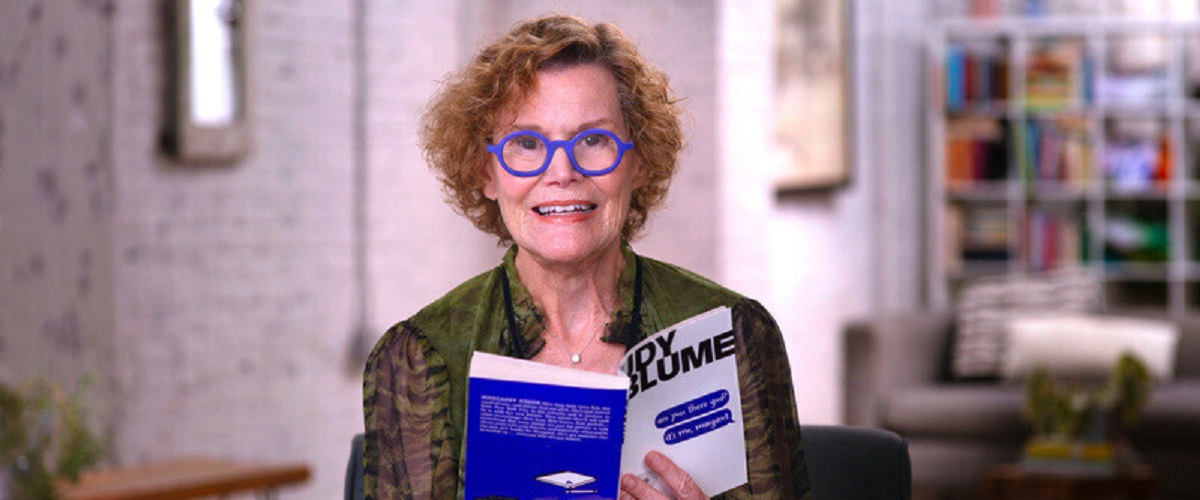
2. Judy Blume Forever
As much as I enjoyed the “Barbenheimer” craze, my favorite double bill of 2023 began at Sundance, which I virtually attended with my wife. That’s where I first saw Davina Pardo and Leah Wolchok’s documentary about author Judy Blume, whose work I had never read before. It wasn’t until I saw the trailer for the long-awaited adaptation of her 1970 masterpiece, Are You There God? It’s Me, Margaret., that I finally bought and read the book, and I can only imagine what my adolescence would’ve been like had I encountered the cathartic brilliance of her writing. It felt as if it could’ve been written yesterday in how it demolished the stigmas attached to a young woman’s coming of age in ways that are still utterly vital. The banning of Blume’s essential work encapsulates everything that is wrong with America today, and Pardo and Wolchok do a splendid job of detailing how the author came to write these groundbreaking books, which have served as an informational guide for generations of children (and adults, for that matter). Most moving of all are the interviews with readers whom Blume corresponded with—much like Fred Rogers—in some cases, for decades. Consider me now a forever fan of Judy Blume, which leads me, of course, to…
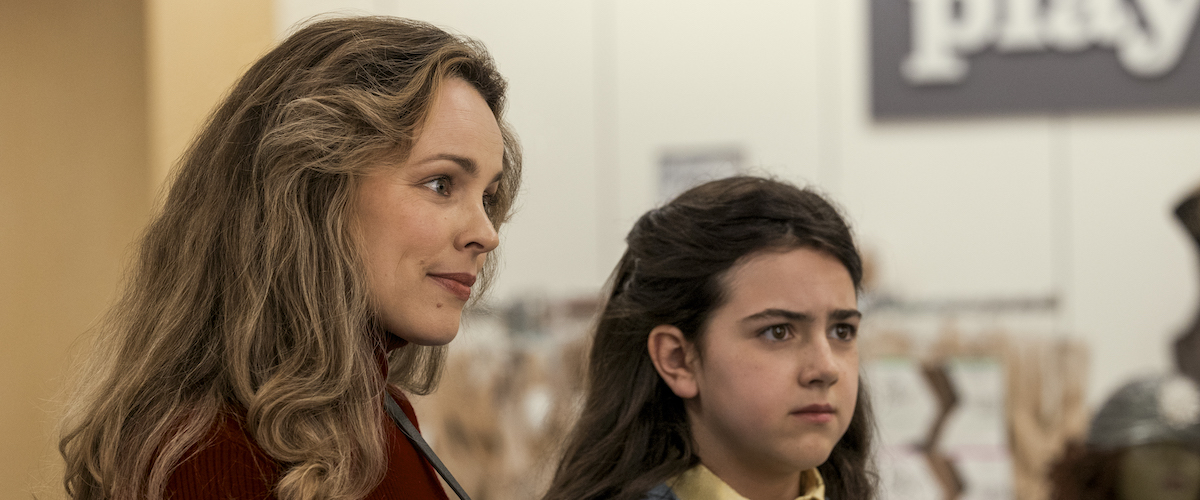
1. Are You There God? It’s Me, Margaret.
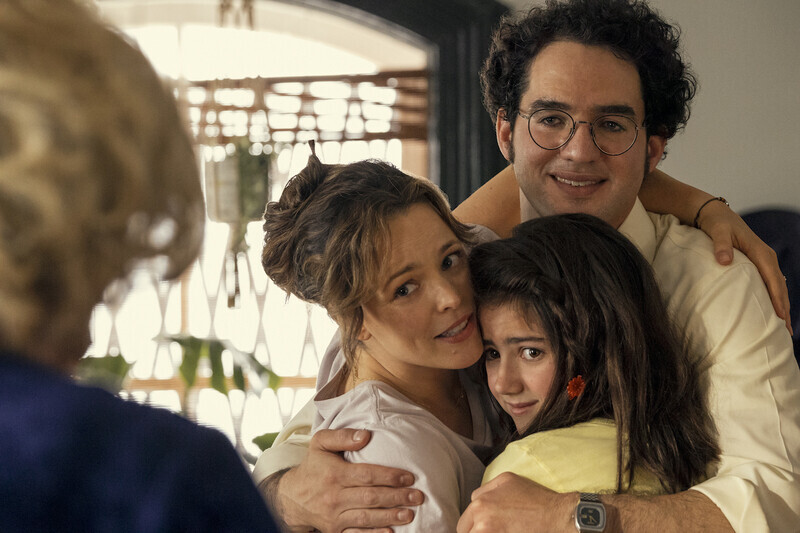
Not only is Kelly Fremon Craig’s marvelous screen adaptation of Blume’s iconic book my absolute favorite film of the year, it’s the first movie I’ve seen a whopping five times during its initial theatrical run. This resulted from me wanting to share the picture with as many friends and family members as possible, including my grandma—a life-long movie buff—who told me as tears streamed down her face that this is the sort of film that can make the world a better place. For over half a century, Blume has busted stigmas regarding the female experience that the current governor of her home state appears hell-bent on reinforcing, and writer/director Craig has masterfully captured the timeless humanity of her work in every frame. The ensemble contains brilliant turns from Rachel McAdams, Kathy Bates and a revelatory Elle Graham, though it is Abby Ryder Fortson’s extraordinary portrayal of the titular heroine’s adolescent bewilderment and spiritual yearning that makes this film a cinematic gift for the ages. Not since Elsie Fisher in “Eighth Grade” have I felt so wholly immersed in the moment to moment experience of a young person onscreen. Indeed, Abby told me during our interview that the conversations sparked by this movie are ones “we need to have in order to let people know, if nothing else, that they’re not alone.”
Read my interview with Abby Ryder Fortson and Kelly Fremon Craig here.
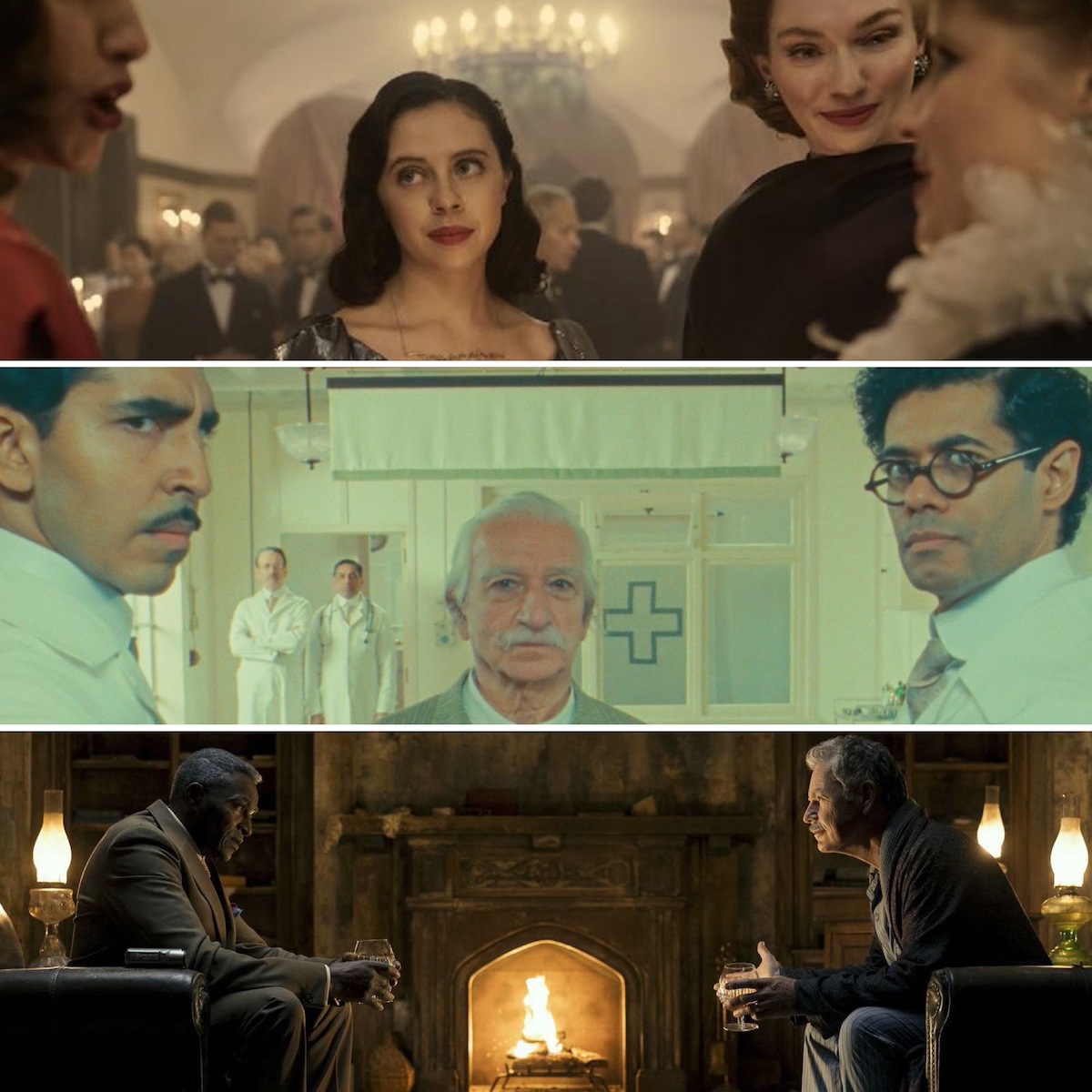
SPECIAL HONORABLE MENTIONS
Eight years after delivering one of my all-time favorite performances in Marielle Heller’s indelible debut feature, Bel Powley has now brought the most infamous diary of a teenage girl to the screen in the eight-part miniseries “A Small Light” on Disney+. It tells the story of Miep Gies, the Dutch woman who hid the Frank family from the Nazis for two years, before finding the diary left by their daughter Anne. This extraordinary dramatization of her life honors both her humanity and her heroism, which Powley captures in all of its vulnerability and fierce strength. The show’s trio of directors—Susanna Fogel, Tony Phelan and Leslie Hope—should be commended for bringing this story so vividly to life at a time when its banning from schools has only underlined its urgency.
In the same year Wes Anderson gave us one of his most impressive yet challenging features, “Asteroid City,” he delighted me even more with his intoxicating collection of four shorts on Netflix. Each of them—“Poison,” “The Rat Catcher,” “The Swan” and “The Wonderful Story of Henry Sugar”—adapt a story by “Fantastic Mr. Fox” author Roald Dahl in a way that playfully blends fourth wall-breaking cinema with elements of theatre. Ralph Fiennes again proves he’s one of Anderson’s finest leading men, while Dev Patel masters the rat-a-tat rhythms of the dialogue so brilliantly, he’d be right at home in a Howard Hawks comedy.
And then there is “The Fall of the House of Usher,” the latest miniseries from Mike Flanagan, one of the greatest writers working in television today, that incorporates the entire oeuvre of a legendary writer—in this case, Edgar Allen Poe—into a spooky yarn that speaks directly to our modern age. Rather than fear for the fates of the despicable Usher clan, which bears a striking resemblance to the Sacklers, we’re eager to see their richly deserved comeuppance. What’s amazing is that, for all of its gleefully gory spectacle, the true star of the show is Flanagan’s writing, which is never more thrilling than when a character delivers an impassioned monologue. And for the record, there is at least one—delivered by Bruce Greenwood, which refutes the old “When life gives you lemons” saying—that is among the greatest I’ve ever heard. I have no doubt Poe would approve.
Twenty More Honorable Mentions: “Air,” “American Symphony,” “Being Mary Tyler Moore,” “The Boy and the Heron,” “The Disappearance of Shere Hite,” “Fair Play,” “Godland,” “The Holdovers,” “I’ll Show You Mine,” “Killers of the Flower Moon,” ” “Mission: Impossible—Dead Reckoning Part One,” “My Animal,” “Perfect Days,” “Reality,” “Smoke Sauna Sisterhood,” “Spider-Man: Across the Spider-Verse,” “The Starling Girl,” “STILL: A Michael J. Fox Movie,” “Waiting for the Light to Change,” “You Hurt My Feelings”
 Indie Outlook