
If you had told me at the beginning of 2024 that I would be ending the year no longer working for RogerEbert.com, having left on good terms to work full-time on long-in-the-works projects, I wouldn’t have believed you. This year has indeed been full of surprises, and I was not at all expecting to still be a member of the Chicago Film Critics Association, since I am not currently writing reviews on a regular basis. Yet my former editor Brian Tallerico generously gave me a year-long grace period, thus allowing me to still attend press screenings and participate in the voting for the CFCA’s annual awards, the winners for which will be announced later this week.
In the meantime, here are my own picks for the Top 20 Films of 2024, followed by three cinematic achievements that I found to be their equal, along with no less than thirty more honorable mentions…

20. Inside Out 2
I honestly had great trepidation in seeing a sequel to Pixar’s best film, but first-time feature director Kelsey Mann, along with screenwriters Meg LeFauve and Dave Holstein, knocked it out of the park with this splendid follow-up. Kensington Tallman does a wonderful job taking over from Kaitlyn Dias as Riley, who is now a young teenager faced with new and wholly relatable challenges, thus causing her emotions to multiply once again. Once the puberty alarm sounds, Joy (Amy Poehler) and the gang are introduced to Anxiety (Maya Hawke), Envy (Ayo Edebiri), Ennui (Adèle Exarchopoulos) and Embarrassment (Paul Walter Hauser), who just might make an ideal power couple with Sadness (there’s also the mighty June Squibb as Nostalgia lurking about). Like its predecessor, this film is as remarkably insightful about human psychology as it is uproariously entertaining. If Pixar can maintain this level of quality, I’d gladly come back for more sequels. Speaking of Joy…

19. Joy
Ben Taylor’s Netflix drama is a soul-stirring portrait of the people who made IVF, an infertility treatment undergone by many dear people in my life, a reality. At its center is Thomasin McKenzie, one of those rare individuals who, like Audrey Hepburn, is so incandescent, she radiates tangible warmth through the screen, even in her most harrowing roles. Here she delivers one of her very best performances as Jean Purdy, a nurse who sacrifices everything, including the respect of her mother and fellow churchgoers, to assist a scientist (James Norton) and surgeon (Bill Nighy) in realizing this dream. 12 million children have been brought into the world thanks to their efforts, which are still demonized by numerous voices in our fiercely polarized sociopolitical discourse. Jean has a speech late in the film about the importance of her work, even if it won’t personally benefit her, that is so delicately nuanced and sublimely performed by McKenzie, that my wife Rebecca and I applauded it. By the time the end credits rolled, we were in tears.
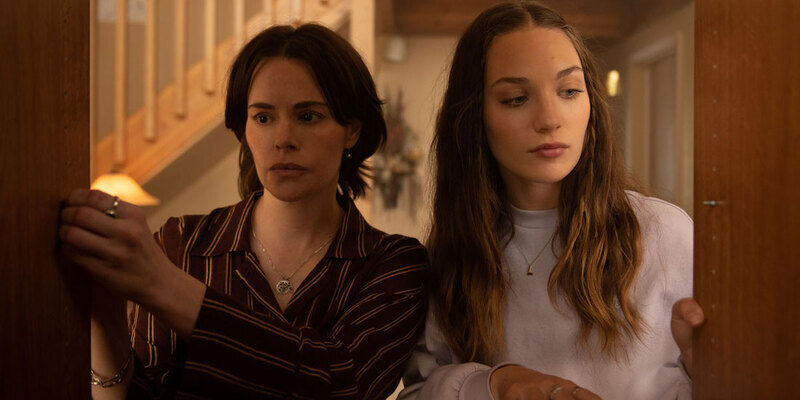
18. Fitting In
On the heels of Greta Gerwig’s “Barbie” and Yorgos Lanthimos’ “Poor Things,” two films that brilliantly deconstructed societal perceptions of what it means to be a woman, Molly McGlynn’s deeply personal picture completes the trifecta, all the way down to its indelible use of Aqua’s “Barbie World.” Maddie Ziegler is flat-out wonderful as Lindy, a 16-year-old girl whose eagerness to sleep with her boyfriend is halted when she is diagnosed with MRKH Syndrome, a disorder in which a person assigned female at birth is born with an underdeveloped reproductive system. McGlynn’s homages to Karyn Kusama’s “Jennifer Body” and one of that cult favorite’s key inspirations, John Fawcett’s “Ginger Snaps,” are entirely apt, considering that her film shares their biting wit, bracing honesty and profound understanding of the hell endured by teenage girls. With stellar supporting work from “Schitt’s Creek” scene-stealer Emily Hampshire as Lindy’s mom, who is harboring her own pain, this wise and cathartic gem deserves to be sought out.
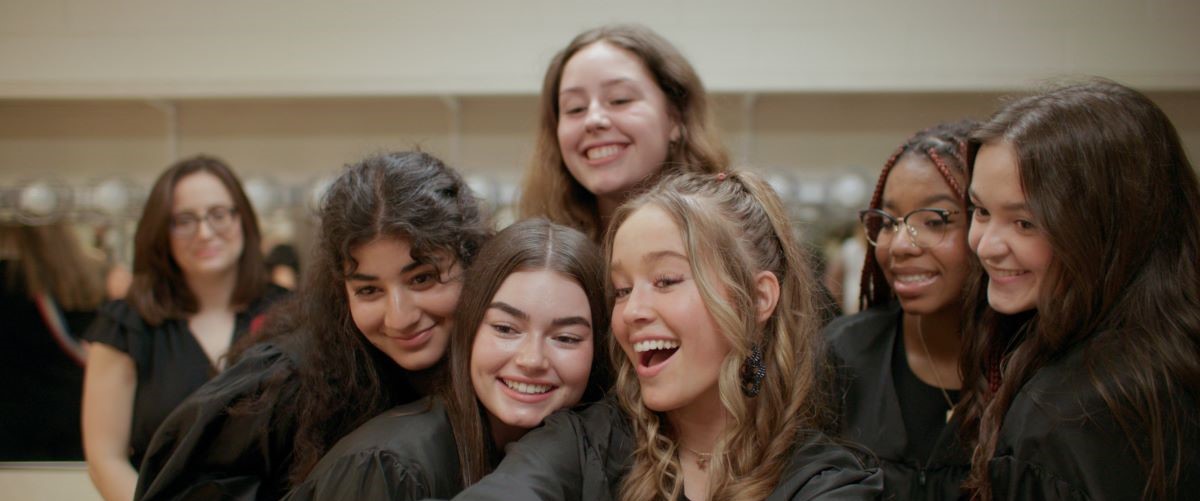
17. Girls State
This urgent follow-up to Jesse Moss and Amanda McBaine’s equally essential 2020 film, “Boys State,” chronicles the annual week-long program for high school girls to run for leadership roles in politics, such as governor and Supreme Court justice. It was shot literally within days of Roe v. Wade being overturned, which adds an even greater level of poignance to the glaring inequities between Girls State and the considerably better funded Boys State. This becomes the topic of a journalistic investigation by one of the picture’s hugely inspiring subjects, Emily Worthmore, whose ability to listen to her peers regardless of their political leaning makes the alleged adults in Congress look all the more infantile by comparison. I must also give shout-outs to the marvelous Nisha Murali, the feminist force of nature that is Cecilia Barton, and the finalist who would’ve received my vote for governor, Faith Glasgow. All of these young women embody the strength and integrity that we will all need to harness over the next four years.
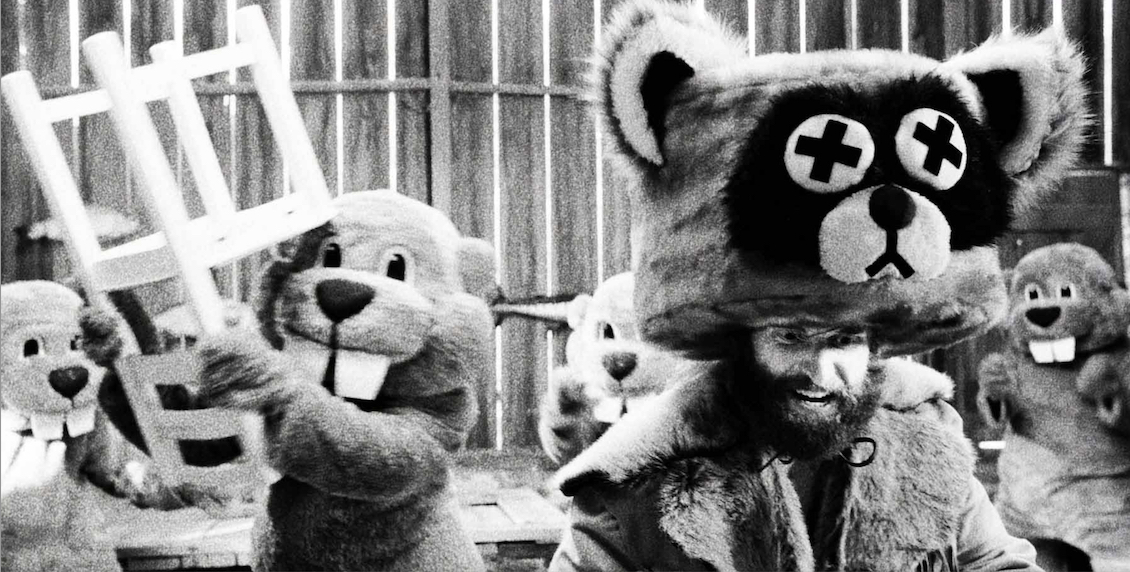
16. Hundreds of Beavers
Shot in the woods of Wisconsin and Michigan on a $150,000 budget with a six-person crew, utilizing Adobe After Effects and beaver mascot costumes purchased online, Mike Cheslik’s black and white, nearly wordless ode to slapstick classics is, quite simply, one of the funniest films in recent memory. Producer/co-writer Ryland Brickson Cole Tews delivers a tour de force performance worthy of Wile E. Coyote as Jean Kayak, an applejack salesman-turned-fur trapper who must do battle with a literal army of beavers in order to wed a pole dancing furrier (Olivia Graves). Of course, no plot description can do justice to the nonstop hilarity and ingenuity of this singular marvel, every frame of which exudes the unbridled joy of its creators in realizing one insane, expertly crafted idea after another, the budget be damned! One of its greatest sequences occurs when Jean follows the footprints of two rabbits, which somehow manage to chronicle the entirety of their courtship, childbearing and demise, all leading up to an explosive punchline.

15. Longlegs
Osgood Perkins’ masterful command of tone, suspense and atmosphere—not to mention chillingly eerie poetry—are on full display in this hit thriller, which not only lives up to the promise of his 2015 debut feature, “The Blackcoat’s Daughter,” but seems to exist in the same universe. Maika Monroe anchors the picture as a haunted FBI agent on the trail of the titular serial killer, played by a nearly unrecognizable Nicolas Cage at his most nightmarishly unnerving. The film is surprisingly funny in spots, yet its insidious sense of dread is what will follow you home and hover over your bed at night. I also can’t say enough great things about Alicia Witt, following up her galvanizing turn in “Fuzzy Head” with another movie mother for the ages. Seeing this film three times with a big audience was a serious treat. There is one key shot in particular that elicited the sort of gradual, audible gasps I haven’t heard in a theater since “Hereditary.” Credit cinematographer Andres Arochi for crafting widescreen compositions that keep you on the edge of your seat.

14. The Beast
When “Twin Peaks: The Return” ran on Showtime in the summer of 2017, my good friend Michael and I would regularly get together for dinner to excitedly discuss the latest episode. We felt that same level of exhilaration after attending a screening at our favorite cinema palace, the Music Box Theatre, of Bertrand Bonello’s intriguingly Lynchian film. It contains the best performance to date from the superb French actress Léa Seydoux, who like Laura Dern in “Inland Empire,” plays a woman who may or may not be multiple people as the film leaps seamlessly across time periods, a narrative approach foreshadowed by the final moments of Bonello’s other masterwork, “House of Pleasures.” The film is sensual, frightening, at times laugh-out-loud funny and ultimately a immensely chilling meditation on the dangers of AI in obliterating the very things that make us human. Though one must always keep their phones off in the theater, Bonello asks viewers to turn them back on at the end so that they can bring the film’s final scene home with them.

13. Green Border
Polish director Agnieszka Holland is one of the filmmakers I credit for sparking my love of cinema, thanks to her still-unmatched 1993 screen adaptation of “The Secret Garden.” It respected the intelligence and imagination of its young viewers without ever pandering to them with artificial sentiment. The genuine humanism of Holland’s vision is what still moves me every time I revisit the picture, and it runs through the director’s entire filmography, including her latest gut-wrenching triumph. Tackling the very real plight of migrants seeking asylum in the European Union, Holland and her co-screenwriters Maciej Pisuk and Gabriela Lazarkiewicz toggle between three perspectives—that of a budding activist (Maja Ostaszewska), a morally conflicted border guard (Tomasz Włosok) and a family of Syrian refugees desperate to escape their perpetual entrapment in the swamps of Belarus. In doing so, Holland brings the viewer a well-rounded understanding of the crisis from all sides, illustrating the profound need for humanity in places where it is horrifically absent.
12. Jim Henson: Idea Man
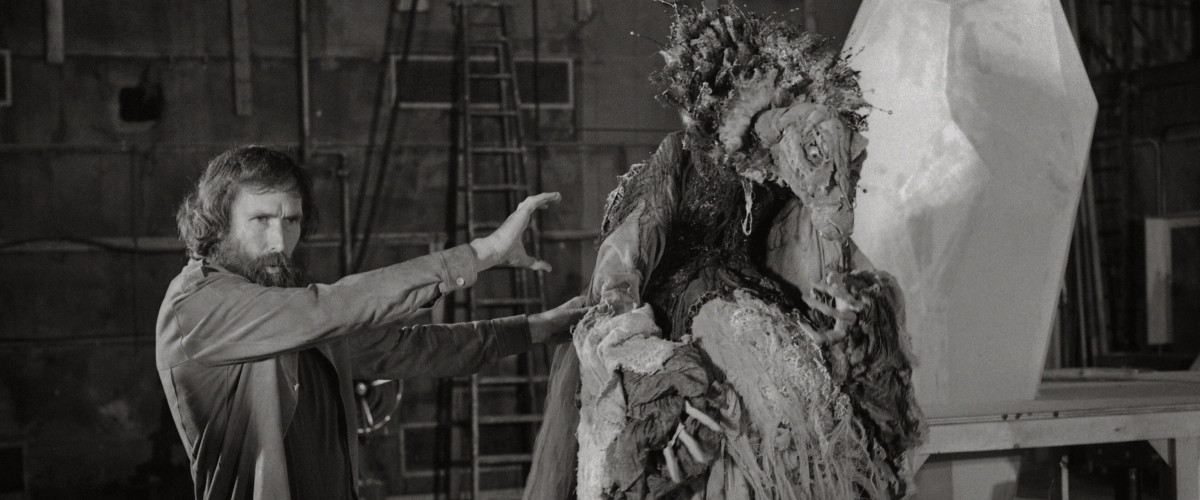
In a year full of excellent documentaries about some of my favorite people whose work has graced the silver screen—Alfred Hitchcock, John Williams, Steve Martin, Michael Powell and Emeric Pressburger, to name a few—my favorite, by far, is this brilliantly perceptive look at the life and multi-faceted artistry of Muppet creator Jim Henson. Director Ron Howard manages to capture the man’s inimitable creative spirit by showing how his groundbreaking characters and resoundingly humanist worldview (a running theme among my favorite films of 2024) continue to inspire people around the world over three decades after his passing. Considering Disney’s glaring misuse of the characters they purchased from The Jim Henson Company in 2004, I was worried that this Disney+ production would not be worthy of the great man, yet Howard made the wise choice of foregrounding the invaluable voice of Henson’s equally towering collaborator, Frank Oz, whose insights alone make this film essential viewing.
11. My First Film
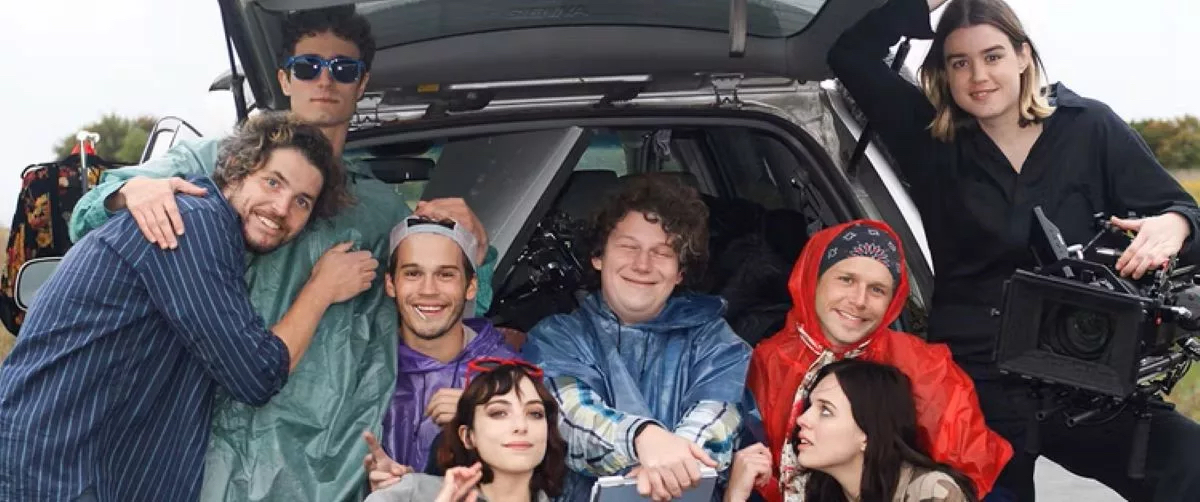
Some of the best films are birthed out of ones that didn’t work, and that is certainly the case with this awe-inspiring debut feature from Zia Anger. Over a decade ago, the director recruited her family and friends to help her make her first movie, “Always All Ways, Anne Marie,” which ended up, like so many labors of love, on the rejection lists of the festivals where it was submitted. Seamlessly blending fact and fantasy, Anger recounts the making of this shelved picture by casting Odessa Young (“Mothering Sunday”), one of the most gifted actors of her generation, as Vita, a fictionalized version of herself. Her ambitions as a filmmaker are never taken seriously by her exasperating boyfriend, Dustin (Philip Ettinger), who figures she’ll inevitably want to settle down with him and raise a family. How Anger poetically links the creation of the film with Vita’s unwanted pregnancy culminates in a final scene that took my breath away. With an ensemble that includes “Henry Gamble’s Birthday Party” star Cole Doman, this gem is reason enough to get a MUBI subscription.
10. JessZilla
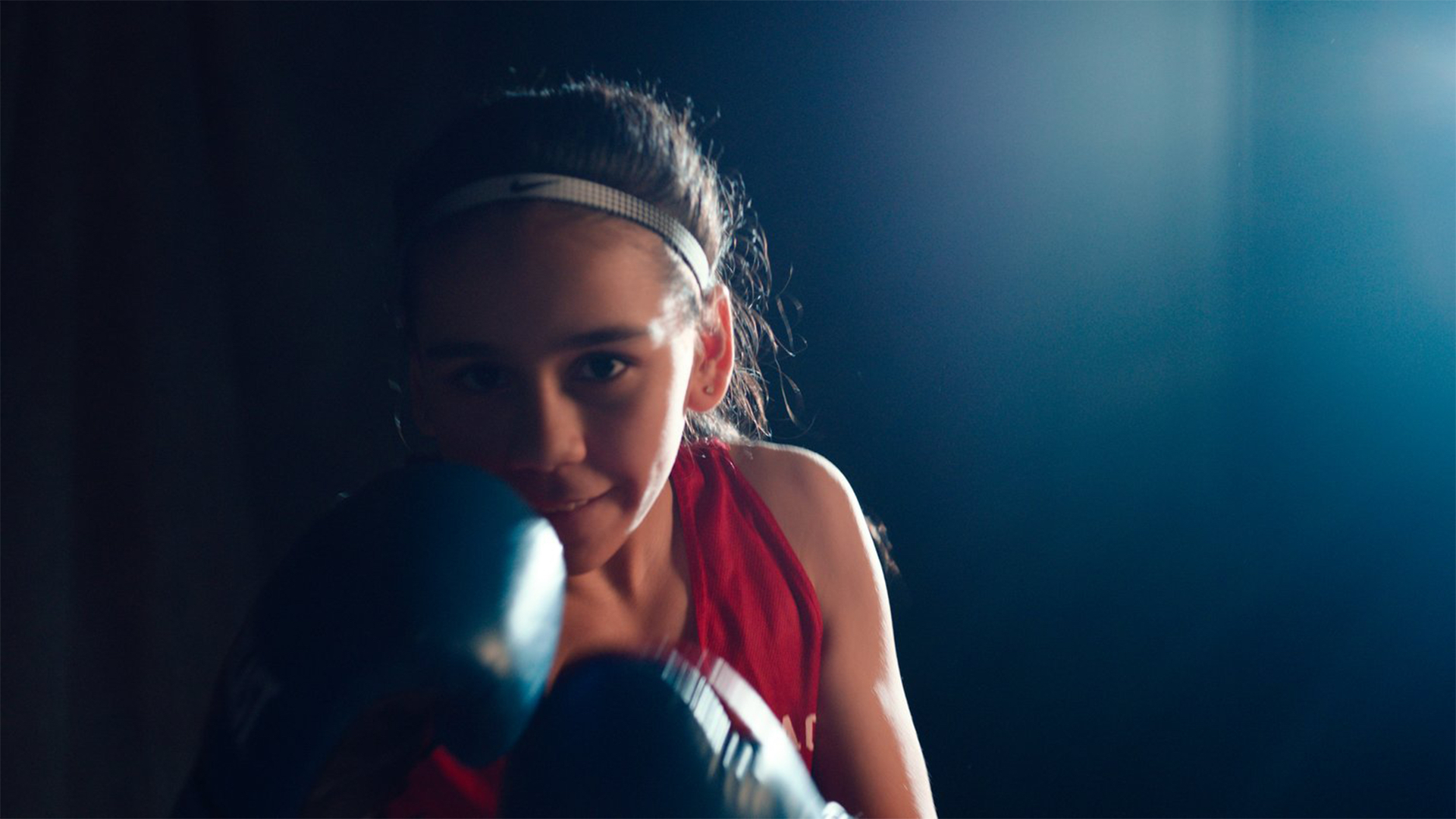
I had the privilege this year of serving on the documentary nomination committee for Slamdance’s inaugural awards ceremony, The Indies, for which I screened numerous magnificent pictures, yet none delivered a knockout punch quite like this stunner directed by Emily Skeskin. My fellow jurors and I were so impressed with the picture that we gave it our Spotlight Award, and I am overjoyed that it will be receiving distribution early next year. It contains the most joyous boxing sequences I have ever seen on film because each one is infused with the exuberant spirit of its titular subject, Jesselyn “JessZilla” Silva, a remarkably gifted young pro boxer. Sheskin charts the evolution of her and her devoted father year after year until a shattering twist in the last act upends all of their plans. In light of Jesselyn’s death this past August from brain cancer, this extraordinarily moving portrait serves as an invaluable reminder of her astonishing perseverance in the face of pain, failure and even her own mortality. Stay tuned for my interview with Sheskin next year at Cinema Femme.

9. Anora
Mikey Madison delivers a towering, endlessly entertaining and uncommonly moving performance as a Brooklyn sex worker whose marriage to Ivan (a hilarious Mark Eidelshtein), the horny son of a Russian oligarch, is endangered once the news reaches his parents. The film’s screwball energy was a joy to savor with a packed audience, especially when the bumbling trio of Karren Karagulian, Vache Tovmasyan and the deft Yura Borisov become involved. Cinematographer Drew Daniels’ marvelous compositions illuminate the evolving dynamics between characters without ever drawing attention to themselves. Though the film is not interested in following any romanticized Hollywood formula—after all, one of the recurring themes in director Sean Baker’s work has been the shattering of illusions—there is something all the more satisfying and cathartic about the film’s sobering final moments. Director Sean Baker, who deservedly won the Palme d’Or for this picture, continues to be an invaluable force in the industry by supporting such singular work as…
8. The Feeling That the Time for Doing Something Has Passed
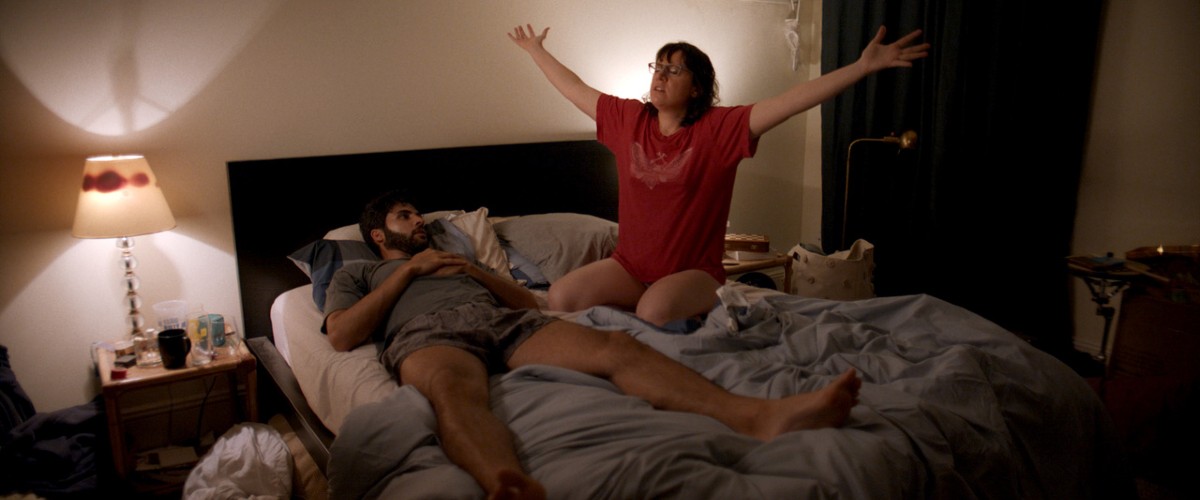
After helming her galvanizing hour-long 2013 documentary, “I hate myself :)” and her Berlinale prize-winning short, “Bad at Dancing” (both of which I had the pleasure of interviewing her about in 2015), Joanna Arnow has now directed her first narrative feature, executive produced by Sean Baker, and it gave my wife and I one of our most euphorically unpredictable communal experiences of 2024. Arnow’s uproarious comics of quarantined life were a crucial comfort for Rebecca and me during the first years of the pandemic, and this fearlessly bold film plays like the feature-length version of those piercingly observant and bracingly human vignettes, written, edited and performed brilliantly by the director. It is a joy to see her paired with Scott Cohen, a favorite of Rebecca’s and mine for his work in the bonkers miniseries “The 10th Kingdom,” and I can’t get enough of her real life parents, Barbara and David, who also appear in “I hate myself :).” By de-stigmatizing the awkward aspects of our lives, Arnow has crafted a comedy as funny as it is liberating.

7. The Brutalist
Watching Brady Corbet evolve from a remarkable young actor in such pictures as “Mysterious Skin” and “Melancholia” and into one of the most exciting filmmakers in the world today has been thrilling to behold. Not once throughout the entirety of his 215-minute epic—which includes an old-school intermission—did I ever feel compelled to check my watch. It is riveting from beginning to end, following the life of Jewish architect László Toth (an Oscar-worthy Adrien Brody) as he immigrates to America in the aftermath of WWII, hoping to find work as well as a way to bring over his wife (Felicity Jones, never better) and niece (Raffey Cassidy, in another intriguing dual role following Corbet’s “Vox Lux”). A wealthy client eventually materializes, played frighteningly well by Guy Pearce, but to say more would be criminal. This is a film to savor, to let wash over you, and to return to multiple times. It’s the sort of masterfully crafted, intimate epic that Hollywood won’t make anymore, and the fact Corbet found a way to make it anyway is a rare feat worth celebrating. Be sure to catch it on 70mm at Chicago’s Music Box Theatre next month. I know I will.

6. The Seed of the Sacred Fig
Of all the narrative films that screened at Cannes this year, none were as courageous as Mohammad Rasoulof’s scalding, enormously suspenseful indictment of Iran’s monstrous patriarchal regime. Having been arrested three times for violating his country’s censorship laws, Rasoulof made this picture in secret before fleeing along with some members of his cast and crew to Europe in time for its premiere on the Riviera, escaping an eight-year prison sentence and a flogging. Taken on its own terms, the film itself is a meticulously crafted slow-burn that had me yelling at my TV screen during its final, excruciatingly tense moments. Soheila Golestani, whose own arrest prevented her from attending Cannes, stars as Najmeh, the staunchly obedient wife of Iman (Missagh Zareh), whose new job as an investigating judge requires him to approve the death sentences of the youth protesting in the streets. Newcomer Mahsa Rostami and Setareh Maleki are unforgettable as his outraged daughters, who become prime suspects once Iman’s gun suddenly vanishes. What a heroic and, yes, humanist act this film is, a beacon of sanity in a world teetering toward fascism.
5. A Complete Unknown
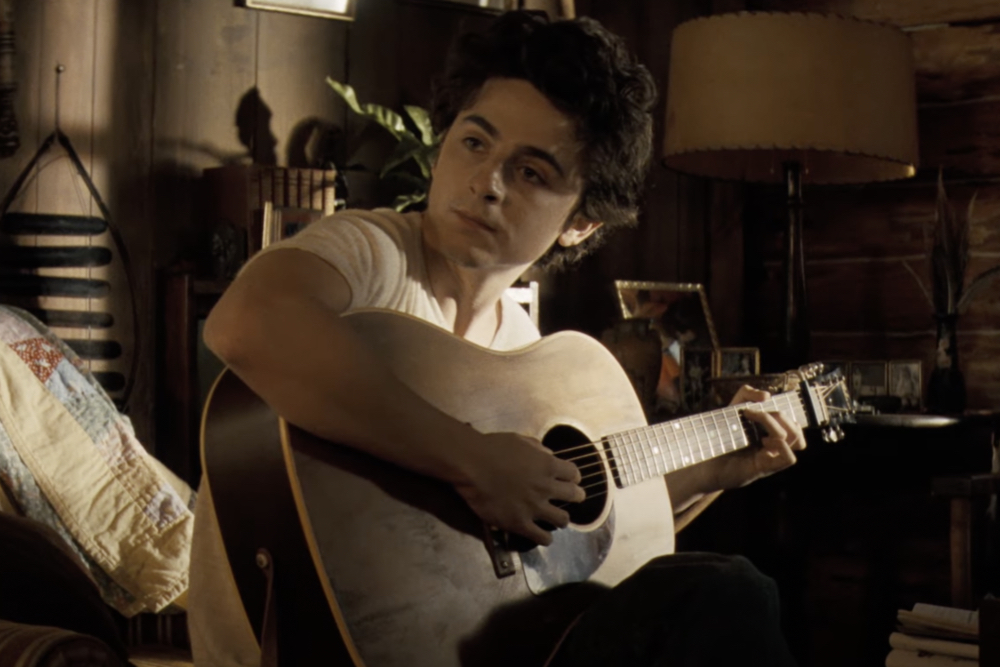
After delivering one of the best performances I’ve seen in 2017’s “Call Me By Your Name,” Timothée Chalamet subsequently became one of the few towering movie stars of his generation. Yet none of the roles he had afterward ever equaled his Oscar-nominated breakthrough—until now. With all due respect to “Wicked,” this is the best musical of 2024 by a considerably wide margin. Portraying the first legendary years of Bob Dylan’s musical career, from his unmatched folk songs to his defiant, polarizing and utterly groundbreaking performance at Newport, Chalamet does all his own singing, and never for a moment do we ever see a celebrity doing an impression. In his every inflection, nuance and gloriously sung note, including those that are intentionally missed, Chalamet becomes Dylan so completely that it is jaw-dropping to behold. If he doesn’t win the Oscar this year, he will be robbed. Equally impressive are the stunning turns by Edward Norton as Pete Seeger, Monica Barbara as Joan Baez and Boyd Holbrook as Johnny Cash (whose own life the same director, James Mangold, chronicled in “Walk the Line”), all of whom also perform their own vocals.

4. Out of My Mind
Amber Sealey’s coming of age marvel immerses us entirely within the mind, body and soul of its protagonist, Melody (played by the phenomenal Phoebe-Rae Taylor), as she strives to connect with the world. The fact her cerebral palsy has rendered her nonverbal doesn’t stop her from insisting that her voice be heard, even when it makes her peers in sixth grade uncomfortable. Sealey and screenwriter Daniel Stiepleman don’t settle for crowd-pleasing contrivances to make their picture palatable for young audiences. It is spellbinding for viewers of any age specifically because it is so honest, not only in regard to Melody’s challenges but her desires, her vulnerabilities, her intelligence, her humor, her defiance and her immense strength. Crying does not come easily to me these days, yet I wept early and often during this film, especially during scenes Melody shares with her parents, wonderfully played by Rosemarie DeWitt and Luke Kirby. Like Sharon M. Draper, the author of the book upon which the film is based, neurological disorders have touched my family in profound ways, and we have seen firsthand how accessibility, health care and, let’s face it, empathy are not among our country’s top priorities. This was one of the last features from the tragically defunct Participant Media, which spent two decades investing in films that actually have the power to make the world a better place, and this Oscar-caliber picture is no different.
3. Sing Sing
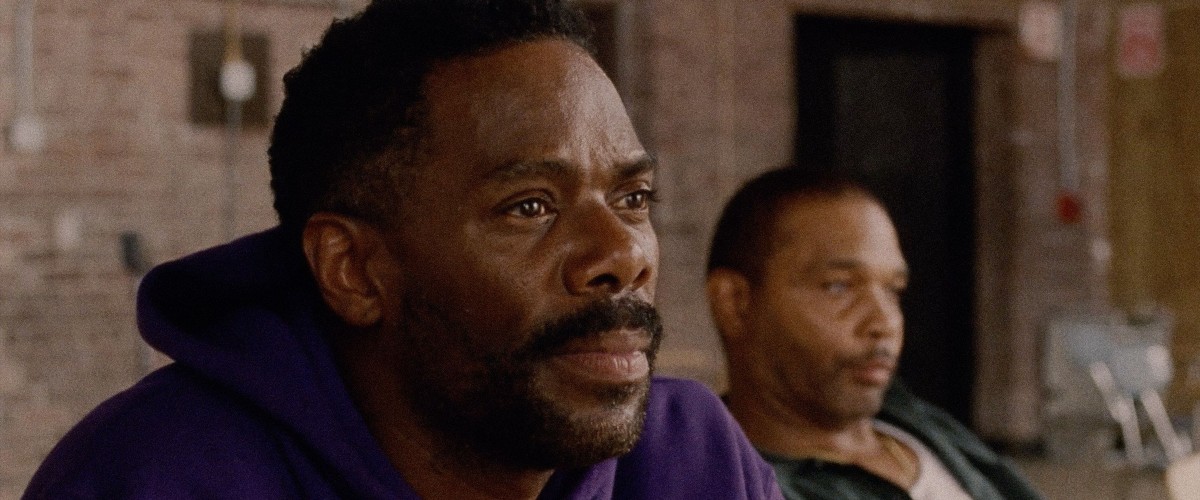
The greatest double bill of 2024 is entirely accidental, yet unmistakable in its perfection. What better remedy for our increasingly dehumanizing modern era than a film that invites us to look one another in the eye and see a soul worthy of our attention and understanding? Every time Colman Domingo speaks about his love of the acting craft and the transformative power of art, I not only want him to win an Oscar, I want him to run for office (if only he was asked to throw his hat in the ring for president). Earlier this year, Rebecca and I had the opportunity to see him receive an award from the Chicago International Film Festival and participate in a Q&A following a screening of Greg Kwedar’s rousing film, a fitting spiritual companion piece with the next film on my list. Both skillfully blend fiction and reality by centering on actual theatre communities, which provide the sanctuary through which its main characters can release themselves from their entrapment, not just in a physical sense, ending in each case with a cathartic car ride. Domingo stars as an inmate at the Sing Sing Correctional Facility who undergoes a rebirth through his participation in the prison’s Rehabilitation Through the Arts program. There he bonds with such remarkable talents as Clarence “Divine Eye” Maclin, who like many members of the cast, is playing himself, and if there is any justice, will soon be an Academy Award nominee.

2. Ghostlight
Five years after helming one of my all-time favorite films, “Saint Frances,” writer/co-director Kelly O’Sullivan and co-director/producer Alex Thompson have done it again with their latest feature, a viscerally powerful ode to the ways in which theatre and its tight-knit community can help us grapple with wounds too painful to articulate in everyday life. On the heels of her staggering turn in Ruben Östlund’s Palme d’Or-winner, “Triangle of Sadness,” Dolly DeLeon stars as Rita, a community theatre actress who recruits a shattered man (Keith Kupferer) to perform in her scrappy production of “Romeo and Juliet.” What makes this film so special, above all, is its trio of tour de force performances from the Mallen Kupferer family: theatre veterans Keith (whose work here warrants comparison with De Niro) and the utterly electrifying Tara Mallen (founder of Chicago’s Rivendell Theatre Ensemble) as well as their marvelous daughter, Katherine Mallen Kupferer (who co-starred in my favorite film of 2023, Kelly Fremon Craig’s “Are You There God? It’s Me, Margaret.”). The film was simultaneously shot and edited last fall (while O’Sullivan was pregnant), was accepted into Sundance in January and has nabbed some of the year’s best reviews, not to mention two Spirit Award nominations. O’Sullivan had acted opposite Keith onstage years ago, and here, she and Thompson have elicited from him a performance for the ages.
Read my interview with Keith Kupferer, Tara Mallen, Katherine Mallen Kupferer, Kelly O’Sullivan and Alex Thompson at Cinema Femme here.
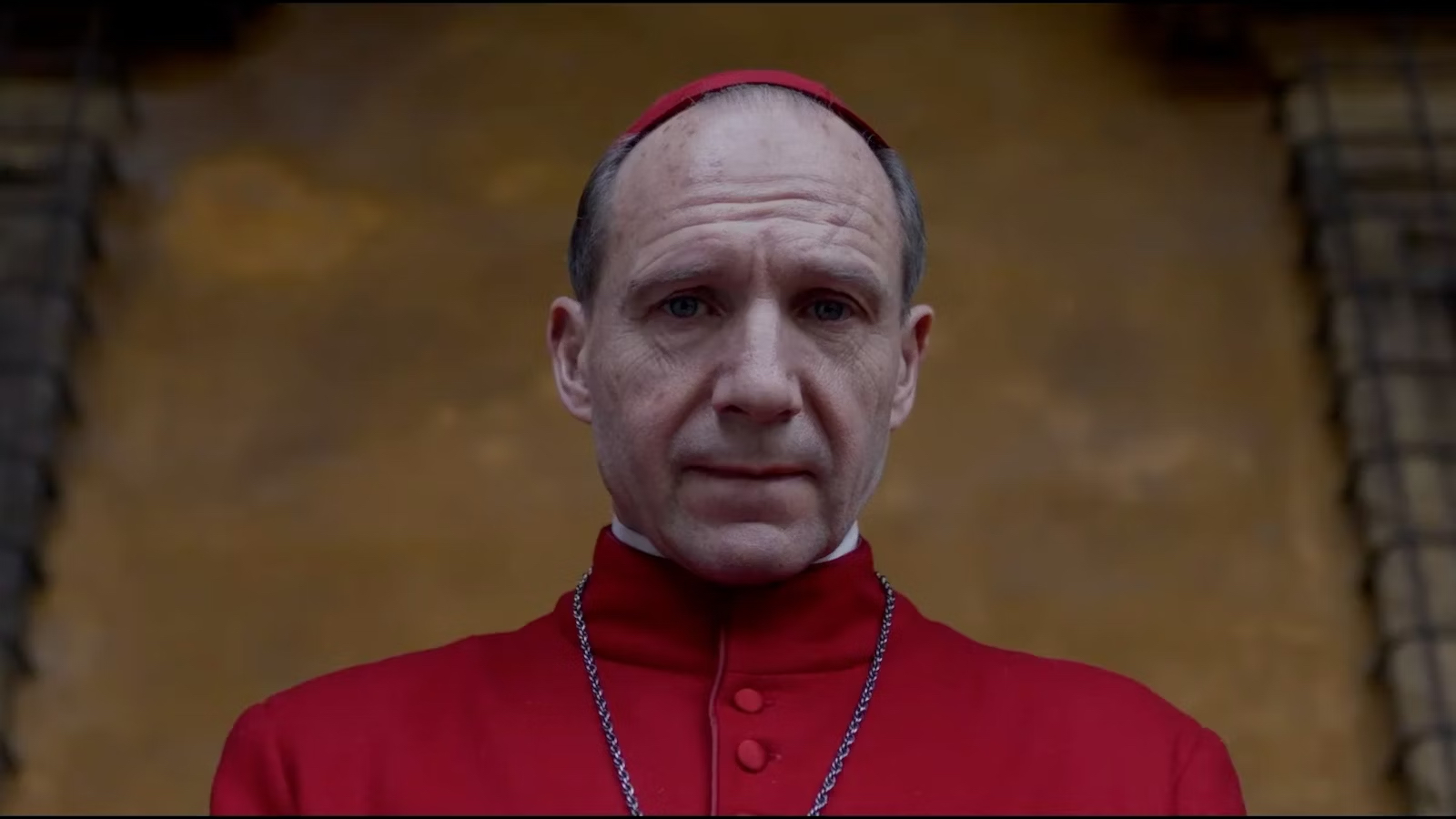
1. Conclave
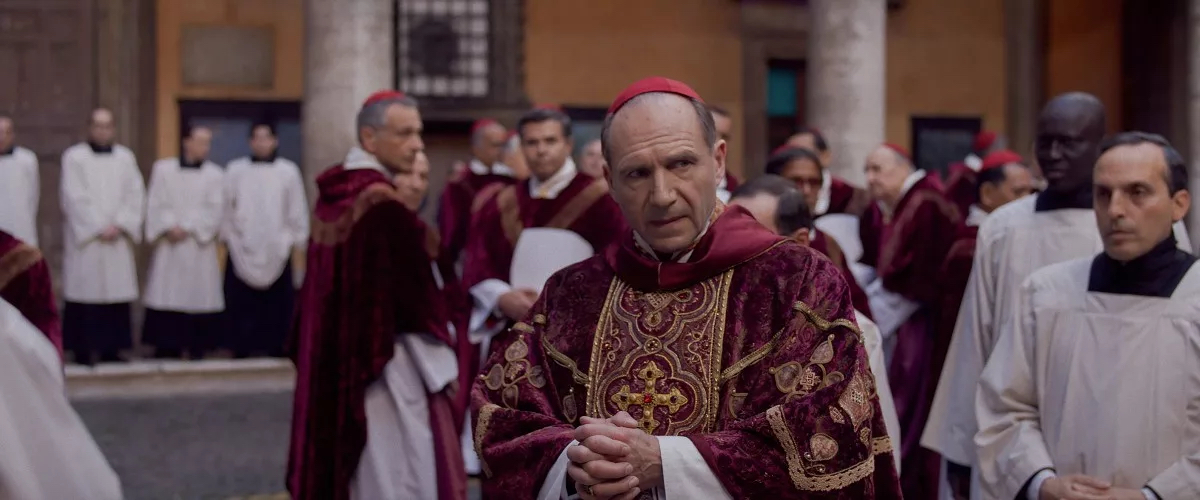
“You can only know God through an open mind just as you can only see the sky through a clear window,” wrote Alan Watts in his great book, The Wisdom of Insecurity. “You will not see the sky if you have covered the glass with blue paint.” I was reminded of these words while watching the astonishing final moments of Edward Berger’s humanist masterpiece. As a spiritual person who has completely lost his faith in organized religion, this is the first picture in ages to rekindle my hope not in the future of the Catholic Church but in the potential of mankind to evolve beyond its tribalist tendencies. As the cardinal spearheading the election of a new pope, Ralph Fiennes delivers a mesmerizing performance that should earn him his first Oscar nomination since “The English Patient,” while Stanley Tucci, John Lithgow and Isabella Rossellini (evoking memories of her mother in “The Bells of St. Mary’s”) provide impeccable supporting turns. There are exhilarating speeches in Peter Straughan’s script, adapted from Robert Harris’ book, that warrant comparison with the iconic monologues indelibly uttered by Spencer Tracy in “Inherit the Wind.” In a year where numerous awards season offerings feel like they could’ve used many more passes in the editing room, there is not a wasted frame in all two hours of “Conclave.” It is one of the only films made for adults that made money at the box office this year, and no wonder. It provides us with a vision for the world that we must aspire to for the sake of our species in the years to come. It is also one hell of an entertainment, a thrilling display of cinematic craft and the best film of 2024.

SPECIAL HONORABLE MENTIONS
After stealing all of his scenes while completely disappearing into the character of Oswald “Oz” Cobb in Matthew Reeves’ 2022 reboot, “The Batman,” Colin Farrell delivers what may be the performance of his career in Lauren LeFranc’s eight-episode spinoff series on HBO, the best thing to happen to Gotham City since Nolan’s “The Dark Knight.” Though there are shades of James Gandolfini and Joe Pesci in Farrell’s portrayal, the actor makes Oz entirely his own, a tragic figure that you can’t help rooting for at times, even as his actions prove increasingly self-destructive. The same could be said of his arch nemesis, Sofia Gigante (a revelatory Cristin Milioti), whose own arc on “The Penguin” is so engrossing, we don’t care if Batman ever shows up. The other limited series that Rebecca and I loved watching together this year was Quinn Shephard’s harrowing crime drama on Hulu, “Under the Bridge,” based on the book by the late Rebecca Godfrey (played in the series by Riley Keough) about the death of a fourteen-year-old girl and the subsequent investigation made by a police officer (a ferocious Lily Gladstone).
In this year’s installment of the Cinema Femme Short Film Festival at the Music Box, I came across a film that felt as if it has been made especially for me. As soon as Bridget Frances Harris’ “Places of Worship” began, I immediately found myself identifying with its teenage heroine, Steph (Virginia Alonso-Luis), as she dutifully goes about her assigned role at church and her job at a movie theater, all the while wrestling with the budding feelings she has for her friend, Joanna (Megan Wilcox). Then comes an indelible sequence that is set in the cavernous main theater at the Music Box, as Steph watches images flickering on the screen of women being intimate with one another. Harris deftly portrays Steph’s sexual awakening through inspired dashes of surrealism, such as a startling encounter with the Virgin Mary, while Alonso-Luis anchors us in every intricately textured step of her character’s inner journey. Judging by the enthusiastic reception the film received at its Cinema Femme screening, it felt entirely fitting that “Places of Worship” went on to win the Audience Award, though the honor I am determined to one day help make a reality is getting the film screened in the big theater at the Music Box. It is a cinematic experience any fan of the venue won’t want to miss.
Read my interview with Bridget Frances Harris and Virginia Alonso-Luis at Cinema Femme here.
Thirty More Honorable Mentions: “All We Carry,” “Babes,” “Babygirl,” “Black Box Diaries,” “Close to You,” “Dear Thirteen,” “Fancy Dance,” “The First Omen,” “Girls Will Be Girls,” “Good One,” “His Three Daughters,” “Home is a Hotel,” “Janet Planet,” “La Cocina,” “Last Summer,” “The Little Pageant That Could!”, “Made in England: The Films of Powell and Pressburger,” “Memoir of a Snail,” “Music by John Williams,” “My Name is Alfred Hitchcock,” “No Other Land,” “The Order,” “Racist Trees,” “Razing Liberty Square,” “Steve! (Martin) A Documentary in 2 Pieces,”“The Sweet East,” “Thelma,” “Wicked: Part I,” “The Wild Robot,” “With Peter Bradley”
 Indie Outlook