
Let’s face it, 2025 was a cataclysmically awful year—certainly the worst in our nation’s history that I’ve been alive to witness. Since free expression is a clear threat to authoritarianism, the moviegoing experience has become more important than ever. No matter what Ted Sarandos says, cinema is best experienced on a big screen and with a big audience seated not in recliners but chairs that keep them alert, engaged and connected with one another. How lucky my wife Rebecca and I are to live in a city with a historic venue—Chicago’s Music Box Theatre—that enables over 700 people to have a shared experience together. Though I probably saw less films this year than I have in some time, there were still a great many that I admired.
Here are my picks for the Top 20 Films of 2025…

20. Preparation for the Next Life
Considering Bing Liu’s 2018 film, “Minding the Gap,” remains my favorite documentary of all time, to say I had high hopes for his narrative feature debut would be an understatement. It did not disappoint. Sebiye Behtiyar delivers a stellar breakout performance as Aishe, an undocumented immigrant in New York City who finds herself falling for a tormented army veteran (Fred Hechinger, an essential asset to so many first features). How could Liu and screenwriter Martyna Majok have predicted that on the weekend of this film’s release, our President Kilgore would be gloating about his plans to militarize and hold mass deportations in Chicago? Needless to say, the picture hit so close to home, it stung. What this film has in common with the #1 pick on my list is the fact that they were both produced by Barry Jenkins, who has been helping launch the careers of numerous promising directors over the past few years. And we are all the luckier for it.

19. Griffin in Summer
How a film this funny never screened in Chicago is flat-out maddening. In his feature debut, writer/director Nicholas Colia has crafted a coming of age comedy unlike any I’ve seen. Everett Blunck, easily my favorite leading man of 2025, stars as the titular 14-year-old playwright, whose single-mindedness will be relatable to anyone, like yours truly, who embraced their drama club as a life raft amidst the tumultuousness of adolescence. As he plans to stage his new show, Griffin finds his attention turning toward a new occupant at his house: a brooding, twentysomething handyman (Owen Teague) harboring artistic ambitions of his own. The boy finds himself not only fascinated, but hopelessly smitten. Plus, the guy can really ACT. This film had me laughing out loud from beginning to end, and left me quite moved. I encourage any of my fellow thespians to seek it out, and I sincerely hope that it will one day receive the Windy City screening it clearly deserves.
18. Don’t Let’s Go to the Dogs Tonight
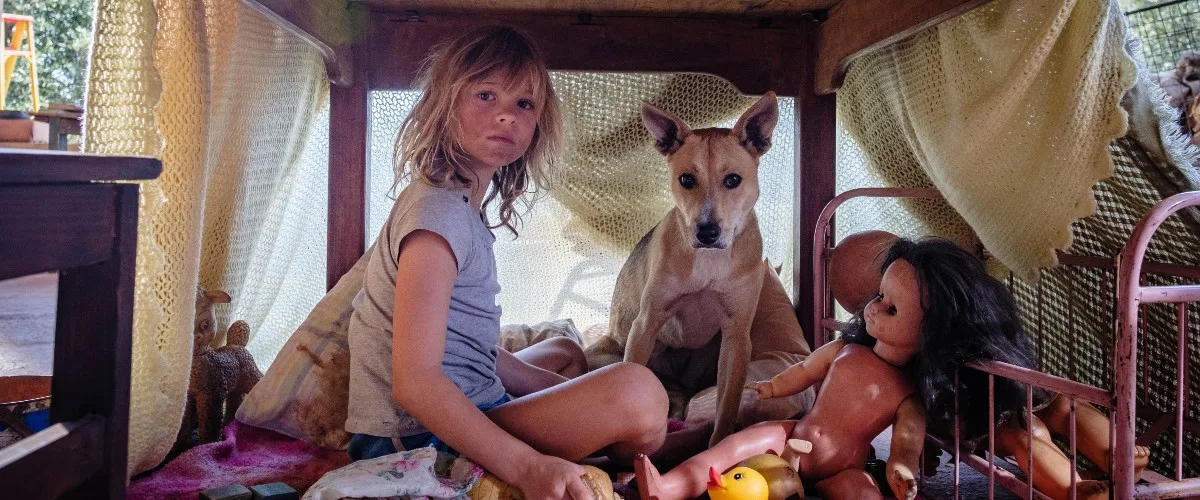
Embeth Davidtz, the actor I grew up loving in everything from “Matilda” to “Schindler’s List,” directed her first feature this year, a captivating adaptation of Alexandra Fuller’s memoir. The astonishing pint-sized newcomer Lexi Venter plays Bobo, an eight-year-old whose family farm is faced with an uncertain future once its territory of Rhodesia becomes Zimbabwe, following the 1980 war for independence. Caught in the middle of these dramatic shifts is Sarah (Zikhona Bali), the family’s African servant, who forges a more maternal bond with Bobo than the girl’s own troubled mother, Nicola (played fearlessly by Davidtz). A brilliant visual motif devised by Davidtz and her cinematographer Willie Nel enables the viewer to peer through Bobo’s eyes, as she plays a game in her head, silently pleading to the person in front of her, “Turn around if you love me.” It all builds to a final, impeccably lensed moment that brought me to tears.
Read my Cinema Femme interview with Embeth Davidtz here.
17. The Long Walk
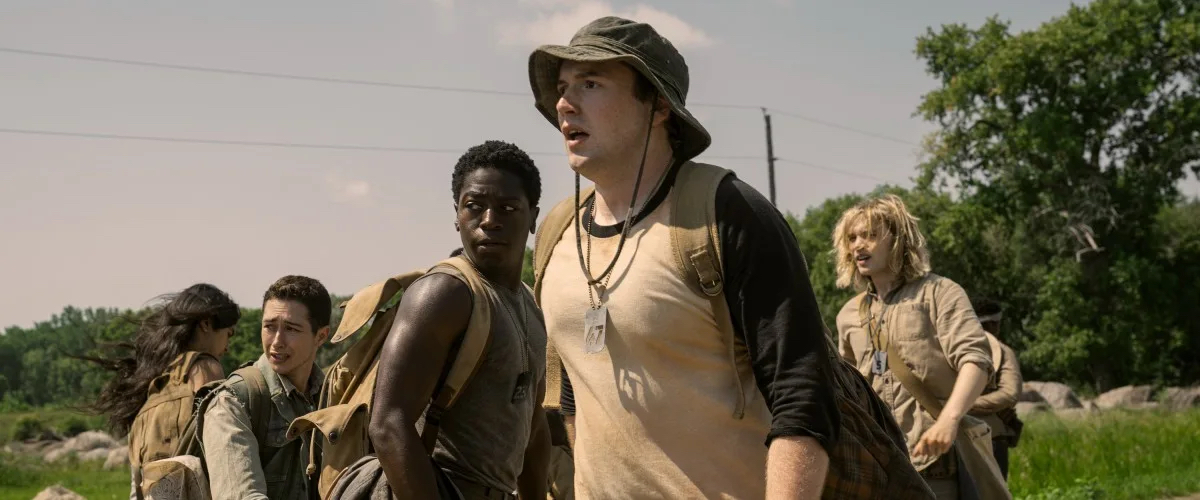
If any film best approximates what it feels like to put one foot in front of the other in 2025, it is most certainly this galvanizing triumph from “Hunger Games” director Francis Lawrence. In a year of multiple excellent Stephen King adaptation, this is the best of the bunch. Cooper Hoffman and David Jonsson head a superb young male ensemble portraying contestants in a televised endurance test overseen by a fascistic Major (Mark Hamill, who delivered Oscar-caliber work in another recent King adaptation, “The Life of Chuck”). The boys must continue walking at a steady pace or they will be shot. The last person left standing is guaranteed a big prize, while the senseless murder of the others is held up as an “inspirational” sacrifice. Originally written as a metaphorical exploration of the trauma experienced by Vietnam vets, King’s tale takes on a whole new resonance in our increasingly dystopian modern era, where such parables no longer feel like the stuff of fantasy.
16. Sinners
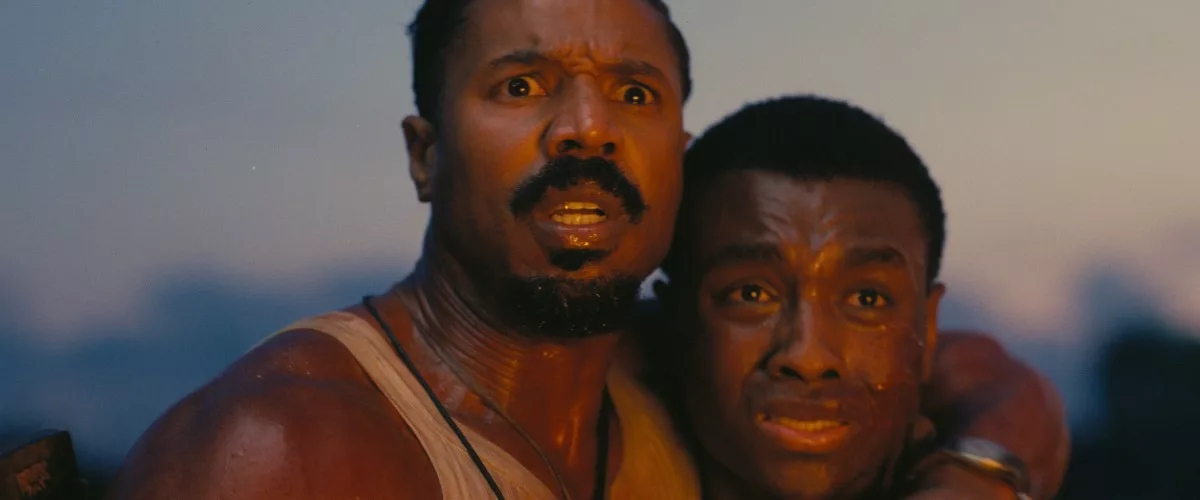
At a time when algorithms, mergers and AI are threatening to suppress any shred of creativity in Hollywood, the massive success of Ryan Coogler’s bloody, blues-filled blockbuster must be hailed as a resounding victory for personal filmmaking. Michael B. Jordan—the De Niro to Coogler’s Scorsese—seamlessly portrays twin brothers whose attempt to start a juke joint in Mississippi circa 1932 is thwarted by both Klansmen and vampires. The more inhumane the local whites prove to be, the more seductive a life as a member of the undead is to the Black citizens. The film’s horror elements may not be especially memorable, but its clear-eyed portrait of racism and the vitality of artistic expression is endlessly provocative. In a tour de force shot, Coogler illustrates how the work of Black musicians has reverberated throughout human history, punctuated by a post-credits scene with Chicago blues legend Buddy Guy that elevates that entire picture.
15. Is This Thing On?
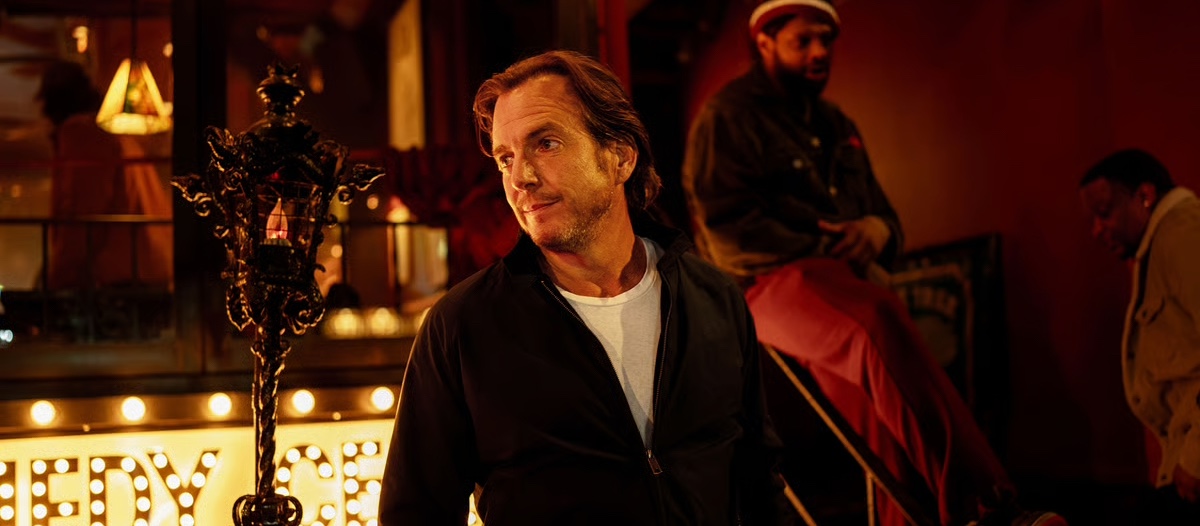
Laura Dern has a scene in Bradley Cooper’s third—and, in some ways, most rewarding—directorial outing that further affirms her status as one of our finest actors. She plays Tess, the estranged wife of Alex (Will Arnett, in a fabulous dramatic turn), whose character is inspired by that of real-life comedian John Bishop. As Alex finds himself unexpectedly turning toward standup for therapeutic purposes, there inevitably arrives a scene where his unsuspecting wife winds up in the audience—with a date, no less. There are so many ways this scenario could’ve led to standard comic or dramatic payoffs. Yet Cooper, who has proven himself to be an exquisite actor’s director, keeps the camera focused on Dern’s face, as she processes watching her soon-to-be-ex mining their private lives for material. She is shocked and angry, yes, but also surprised to find herself turned on. What happens next is as messy, unpredictable and intricately nuanced as life itself.

14. Marlee Matlin: Not Alone Anymore
If you’ve ever found yourself grateful for the option of closed captions, you have Oscar-winning actor Marlee Matlin to thank for their very existence. A trailblazer in more ways than one, Matlin’s extraordinary life story is given full dimension by writer/actor Shoshannah Stern, making her directorial debut. The fact Matlin and Stern are both Deaf ensures that the picture is devoid of the condescension that marred countless interviews with the actor, as evidenced in wince-inducing archival footage over the years. The abuse she endured from her former lover and co-star William Hurt is detailed, while the legacy of the film they made together, 1986’s “Children of a Lesser God,” is honestly assessed in all of its positive and negative impact. After the Oscar wins for Matlin’s beloved film, “CODA,” were overshadowed by Will Smith’s violent ego trip, it’s wonderful to finally see this icon of the industry get her due in this vital documentary.

13. April
Georgian director Dea Kulumbegashvili’s sophomore directorial effort works on your senses like an intense fever dream. You may not know precisely what to make of it at times, but you will be mesmerized all the same. The only reason this picture isn’t currently sweeping all the awards categories for cinematography and sound is because not enough people have seen it. My wife was lucky enough to catch a screening at Sundance, while I sat in the front row of the Music Box when it played at the Chicago Critics’ festival. How Kulumbegashvili goes about portraying the majesty of nature is alone worth the price of admission. The story itself looks relatively straightforward at first glance—an OB-GYN, Nina (Ia Sukhitashvili), is blamed for the death of a newborn—but Kulumbegashvili’s visionary, richly textured artistry leaves room for a great deal of speculation and interpretation. I look forward to seeing how it strikes me upon my second viewing.

12. Sentimental Value
A boy and girl race toward a train with the hope of escaping the Nazis hot on their trail. The girl makes it onboard, only to find that the boy has been captured. She sees him out the window, but a woman nearby forces her to sit down so that she doesn’t call attention to herself. The camera closes in on the girl’s face as she fights back tears. This singularly shattering moment from Joachim Trier’s subtly bold new film is one of many that is leapt to without context. Is it a flashback? A fiction? An alternate reality? Trier doesn’t wait long to reveal the answer, but his storytelling technique continuously keeps us on our toes. Blurring the line between reality and artifice is appropriate for this tale of a director (Stellan Skarsgård) attempting to connect with his distant daughter (Renate Reinsve) by involving her in a project based on their family’s history. Inga Ibsdotter Lilleaas steals the show as Skarsgård’s other daughter, who gradually emerges as the heart of the picture.

11. Rental Family
On the heels of her emotional powerhouse of a debut, “37 Seconds,” director Hikari has crafted the sort of crowd-pleasing, seriocomic slice of life that I imagine would’ve earned John Candy an Oscar nomination had he been able to further explore his gifts as an actor. The role I can clearly picture the late actor inhabiting is played by Brendan Fraser, who will likely surprise viewers here with his boundless warmth and arresting vulnerability. His character, Phillip, is a struggling actor seeking a steady gig in Tokyo who finds it in the unlikeliest of places, the titular rental family business. He’s assigned to play an assortment of people in the everyday lives of strangers, oftentimes to fulfill an emotional need. Yet when he starts feeling a tangible paternal connection with the little girl, Mia (Shannon Gorman), whom he’s pretending to father, Phillip starts to question the lies inherent to his form of employment. This is a warm hug of a film that only a hopeless cynic could resist.
Read my Cinema Femme interview with Hikari here.
10. It Was Just an Accident
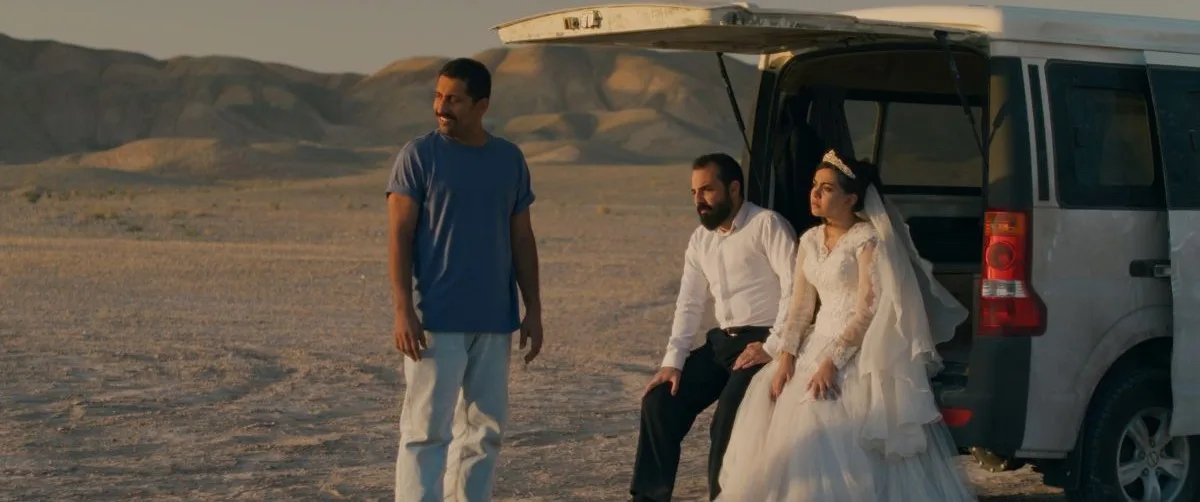
Like last year’s “The Seed of the Sacred Fig,” Iranian auteur Jafar Panahi’s Palme d’Or winner is an act of courage in its mere existence. After serving multiple prison sentences for speaking out against his country’s oppressive regime, Panahi somehow managed to film this viscerally gripping thriller without receiving permission from his government. It subverts our expectations from the opening scene where a man accidentally runs over a dog in the dark of night. This causes our sympathies to instantly go out to him, so when a rather uncharismatic sad sack suddenly knocks him out and tries to bury him, we are appalled—until we gradually learn of the history between these two men. The film becomes more and more riveting with every successive scene, leading to a final shot that I doubt I will ever be able to shake. The fact Panahi was just sentenced to another year in prison soon after his recent appearance at the Music Box only affirms his film’s importance.
9. The Voice of Hind Rajab
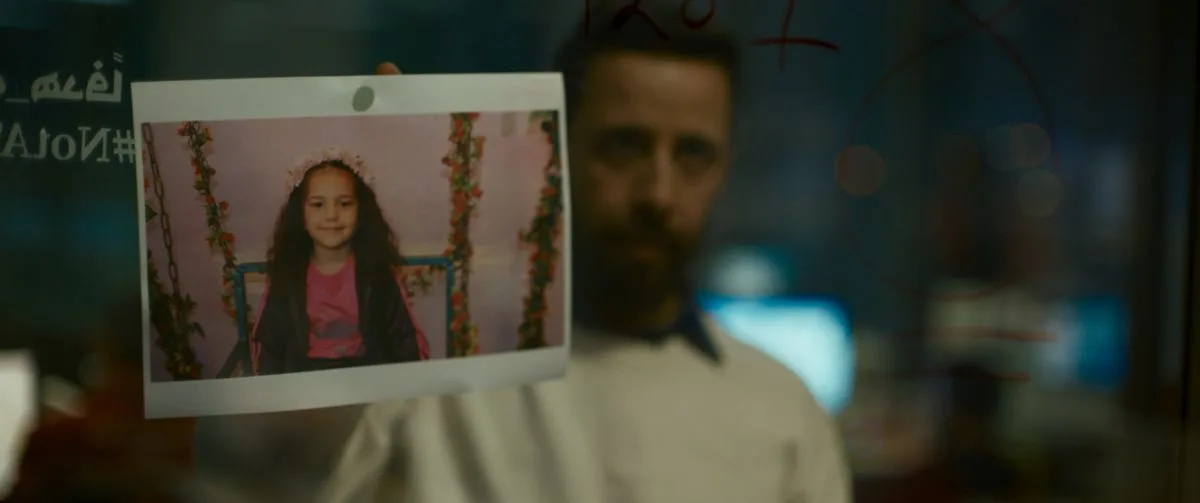
Kaouther Ben Hania’s humanist masterwork received an unprecedented 23-minute standing ovation upon its premiere at Venice, but since it dares to put a human face on the U.S.-backed atrocities in Palestine, our nation’s major studios were too timid to acquire it, despite the support of producers like Brad Pitt and Joaquin Phoenix (thank you, Willa, for taking it on). Filmed with a documentary-style immediacy reminiscent of “United 93,” Ben Hania’s film follows the transcripts and uses the actual audio recordings from an event that occurred in January 2024, as volunteers at a call center struggle to save a six-year-old girl stuck in a car that is under fire by the Israeli military. It’s difficult to recall the last time I heard this much audible weeping from my fellow moviegoers in a theater. This may not be an easy film to watch, but for all Americans—especially those who have become numb to the horrific headlines from abroad—it is essential viewing.

8. Sound of Falling
“Dreamlike” doesn’t even begin to describe what director/co-writer Mascha Schilinski manages to pull off in this spellbinding two-and-a-half hour acid trip. In a way, it’s the most immersive haunted house film I’ve ever seen, as Schilinski leaps between the different generations that have occupied the same farm house in Germany, allowing the full context of their stories to gradually unfold. The juxtaposed storylines echo one another in intriguing ways, such as the repeated utterance of the word “warm,” and the sound design does indeed make one feel as if they are hurtling through time and space. It’s the sort of picture that demands to be seen more than once before a worthy analysis can be written, but there’s no question that it is as visionary an achievement as any in 2025 (though its official theatrical release has been delayed until next month). When I found out there would be no Q&A after its festival screening in Chicago, I exclaimed, “Damn—I have so much to ask!”

7. One Battle After Another
As an alumnus of Columbia College Chicago, I was brimming with pride watching 2022 graduate Chase Infiniti—in her feature debut—walk away with Paul Thomas Anderson’s exhilarating new comic thriller. Her name got big applause from the crowd at her hometown theater, the Music Box, where the film screened in a glorious 70mm print. Infiniti plays the daughter of Bob (Leonardo DiCaprio), an ex-revolutionary whose family becomes targeted by an old enemy (Sean Penn). The film’s backdrop of a fascist regime overtaking America and its theme of a younger generation having to fight the same battles as their parents could not be timelier, yet Anderson’s picture is, first and foremost, a grand, often irreverent entertainment. Its truly awesome climactic chase scene is made all the more impactful by Infiniti’s potent mixture of vulnerability and fierce strength. Even Benicio Del Toro at his most quietly uproarious cannot steal the picture from her.
6. Hamnet
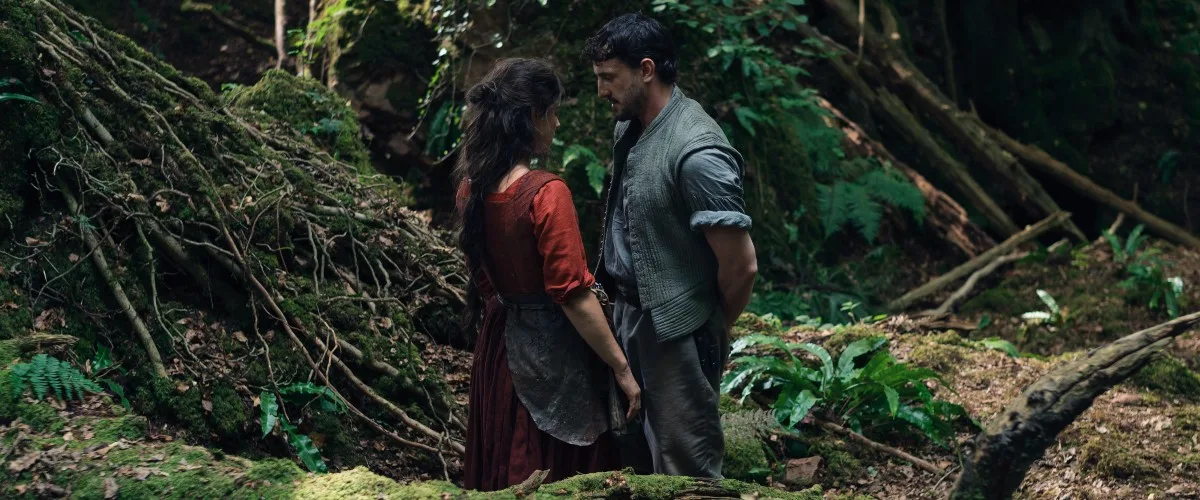
One of my favorite films of recent years, Kelly O’Sullivan and Alex Thompson’s “Ghostlight,” was about a grieving family who found catharsis by participating in a community theatre production of Romeo and Juliet. I cannot imagine a more fitting picture to have on a double bill with Chloé Zhao’s emotionally wrenching and ultimately cleansing adaptation of Maggie O’Farrell’s novel. After being repelled by much of his acclaimed earlier work, Paul Mescal has finally won me over with his grounded portrayal of Shakespeare, as he turns a devastating personal loss into the inspiration for his play, Hamlet. Yet the film belongs to Jessie Buckley, who as far as I’m concerned, deserves to be the Best Actress Oscar frontrunner for her astounding performance as the Bard’s wife, Agnes. In a an inspired bit of casting, Noah Jupe plays the actor who is featured as Hamlet, a role inspired by Shakespeare’s son, portrayed in the film by Noah’s real-life brother, Jacobi.
5. The Plague
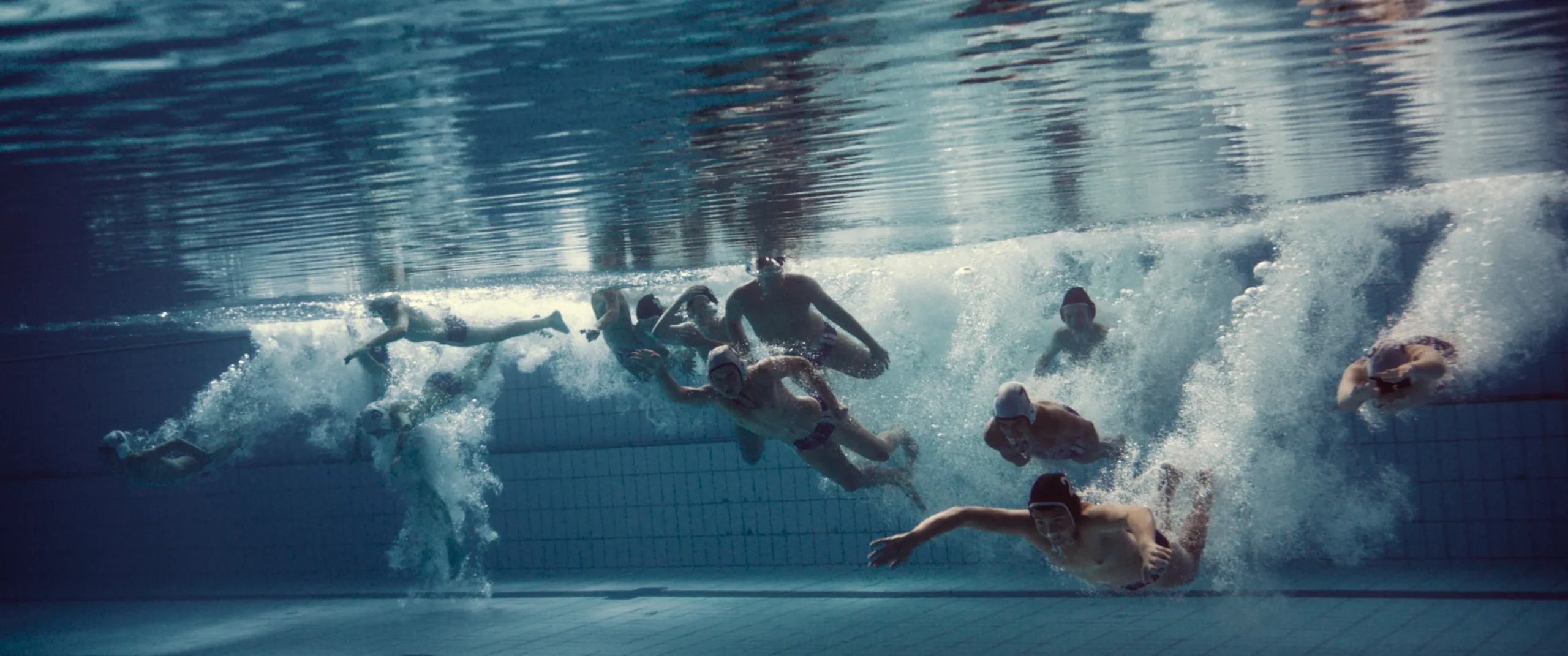
I’ll never forget the day in junior high when one of my ostracized peers sat down for lunch and the bench broke beneath him, causing the entire cafeteria—including a few unfeeling adults—to roar with laughter. Memories like these are what will be surging to the forefront of your mind while watching Charlie Polinger’s brilliant debut feature, which instantly earns its place alongside the greatest coming of age films that indelibly utilize a swimming pool as one of its key locations. Making his second appearance on this list, Everett Blunck cements his status here as one of the leading talents of his generation. He plays a sensitive boy who wants to fit in with his peer group, yet is drawn towards the kid whose skin condition has led them to brand him as the butt of their jokes. By turns funny and harrowing—while never being less than unflinching in its portrayal of adolescence’s eternal hellishness—this film is, for lack of a better term, my jam.
4. Weapons
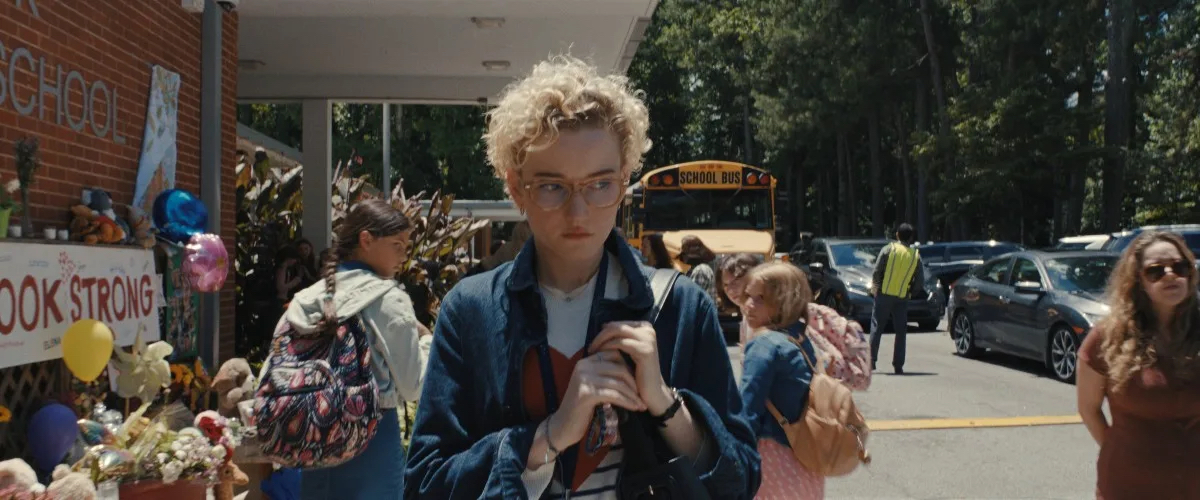
A funny thing happened to me during the final moments of Zach Cregger’s audacious, giddily entertaining thriller. I found myself starting to both laugh and spontaneously applaud until many of my fellow audience members at the packed preview screening joined in. While trying to figure out why the film had sent me out on such a euphoric high, I realized that it had served as a wish fulfillment of sorts for me. At a time when at least half the country appears to be in a sort of self-defeating trance, guided by an amoral leader who maintains power by weaponizing and even harming his followers, Cregger inadvertently yet gloriously shows what would happen once that spell is broken. I had no idea one of my favorite actors of my youth, Amy Madigan, was playing Aunt Gladys, and her instantly iconic performance—which manages to be hilariously campy, insidiously chilling and jump-out-of-your-seat scary—is well-deserving of an Oscar nomination.
3. Shari & Lamb Chop
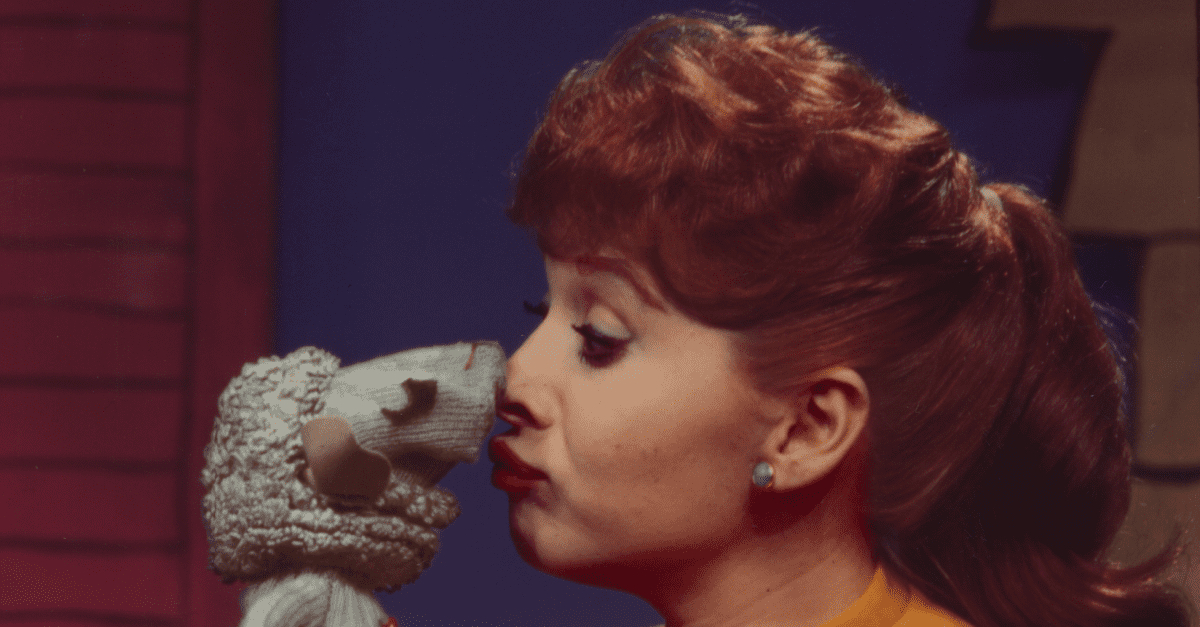
PBS, the invaluable network defunded by our current administration, brought my generation so many enriching gifts, including the series, “Lamb Chop’s Play-Along,” which my sister and I watched throughout our childhood. Little did I know that the program was, in fact, the crowning achievement of a career that had begun in the 1950s. Lisa D’Apolito’s documentary illuminates how ventriloquist Shari Lewis channeled various aspects of her own life into her characters, which is precisely what made them so beloved. Though I never got to see Lewis perform live, I did catch young “America’s Got Talent” winner Darci Lynne’s one-woman show years ago in Rosemont, and got to observe firsthand how she captured the magic of Lamb Chop not only through her puppetry but her own engaged facial expressions. Darci Lynne is rightfully among the talking heads in this film, the most moving moments of which come from Lewis’ remarkably talented daughter, Mallory.
2. Pee-Wee as Himself
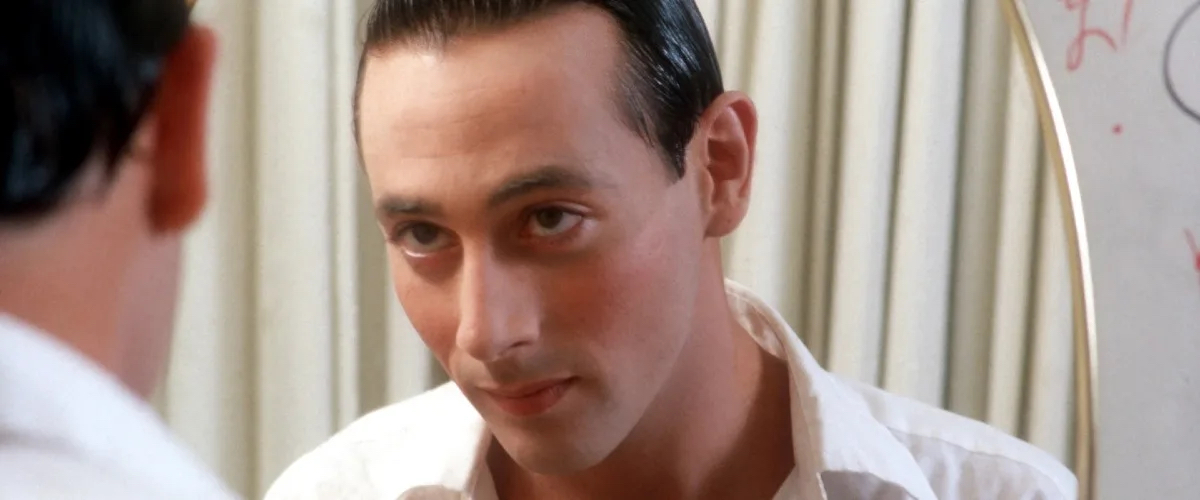
Though’s Matt Wolf’s masterpiece is being treated as a “series,” it is essentially one epic documentary split into two parts, and therefore deserves to be on this list. It is a revealing, richly insightful and deeply moving portrait of performer Paul Reubens, who thrived by hiding within a persona over which he had complete control. What’s ironic, and immensely powerful, is that this character was brilliantly designed to inspire the children of my generation to unashamedly embrace their inner oddball. His 1985 film, “Pee-Wee’s Big Adventure,” is one of the funniest films ever made, while his subsequent TV show, “Pee-Wee’s Playhouse,” was such a liberating beacon of irreverence and creativity that I made a point of watching it every Saturday morning. When it was cancelled, it felt like a death in the family. Reubens’ passing prior to the film’s completion makes his at times reluctant participation in it all the more poignant. He couldn’t have hoped for a greater send-off.
1. Sorry, Baby
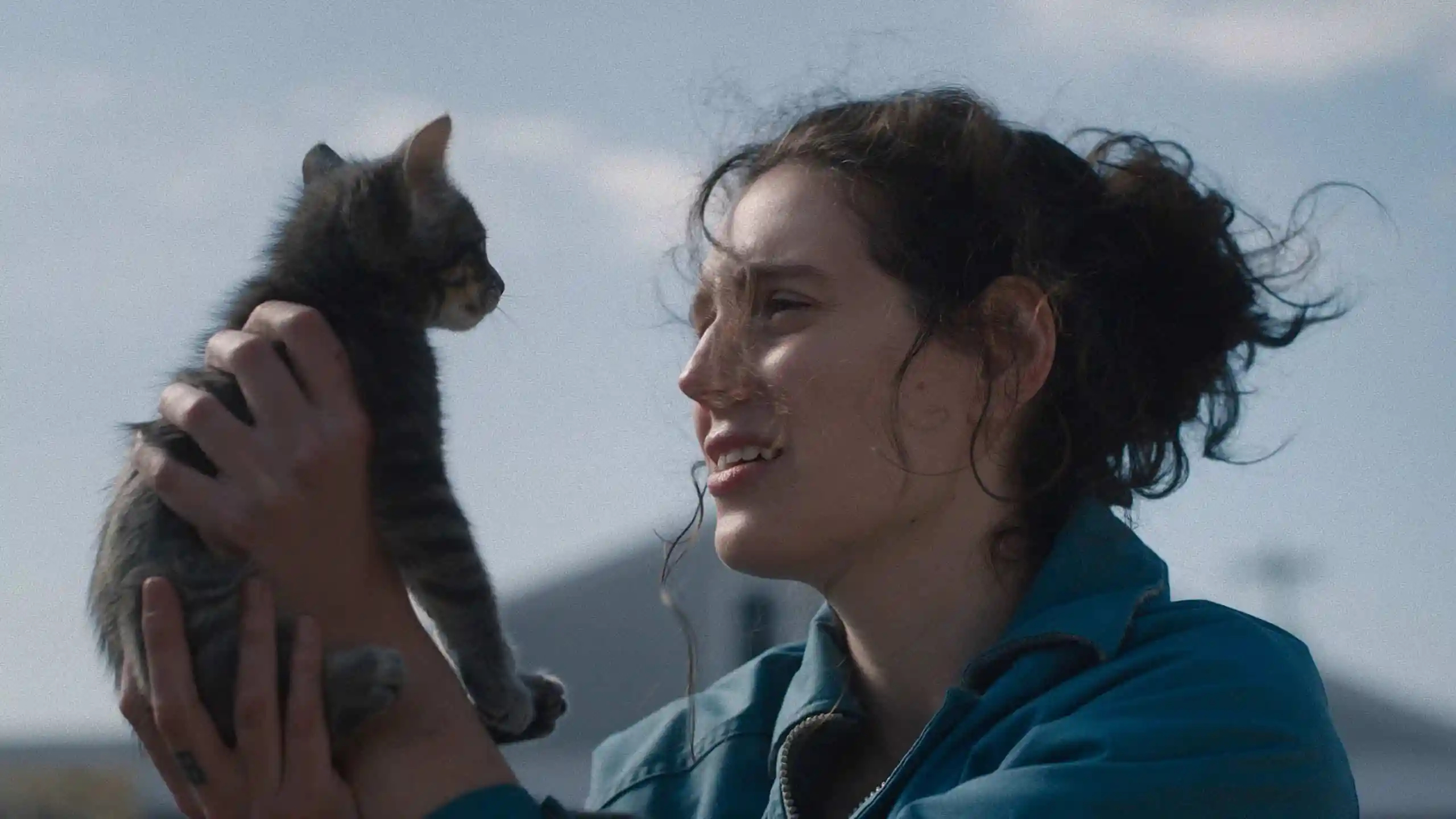
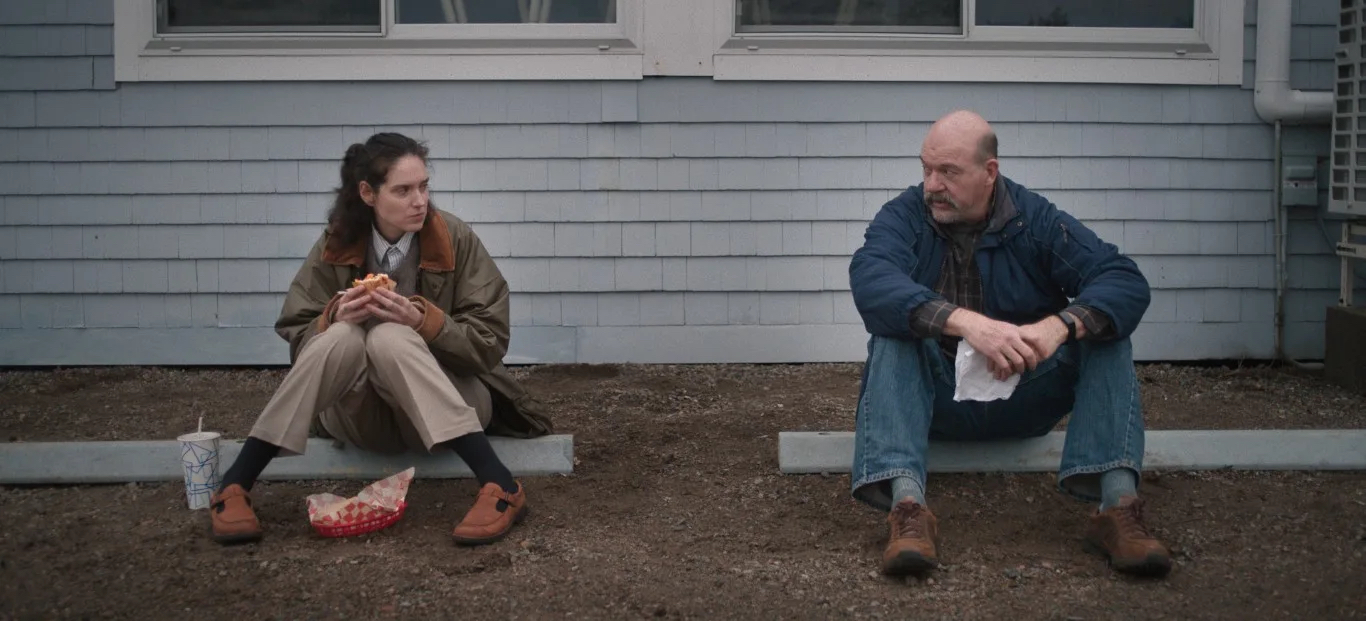
Writer/director/star Eva Victor’s debut feature has been my #1 film of 2025 ever since I caught its Sundance premiere, and it hasn’t budged ever since. It seems like a definitive film for this year, and not only because our country will have so much to apologize to future generations for in the decades that follow. The film’s central character, Agnes—like Victor, who plays her—has a natural wit that can’t help breaking through, even in times that are troubling, to say the least. After enduring a traumatic encounter with her college professor at his house, Agnes seeks solace in her close friendship with the loyal Lydie (Naomi Ackie), her intimacy with neighbor Gavin (a thoroughly endearing Lucas Hedges) and her cuddling with a stray cat she spontaneously adopts. Yet her journey toward healing is one that she can only embark on herself, and it can get lonely as the rest of the world moves on, at times with an obliviousness bordering on absurd. As we sift through the wreckage of this year, the wisdom exuded here by Victor will serve as a guiding light.
Read my Cinema Femme interview with Eva Victor here.
SPECIAL HONORABLE MENTIONS
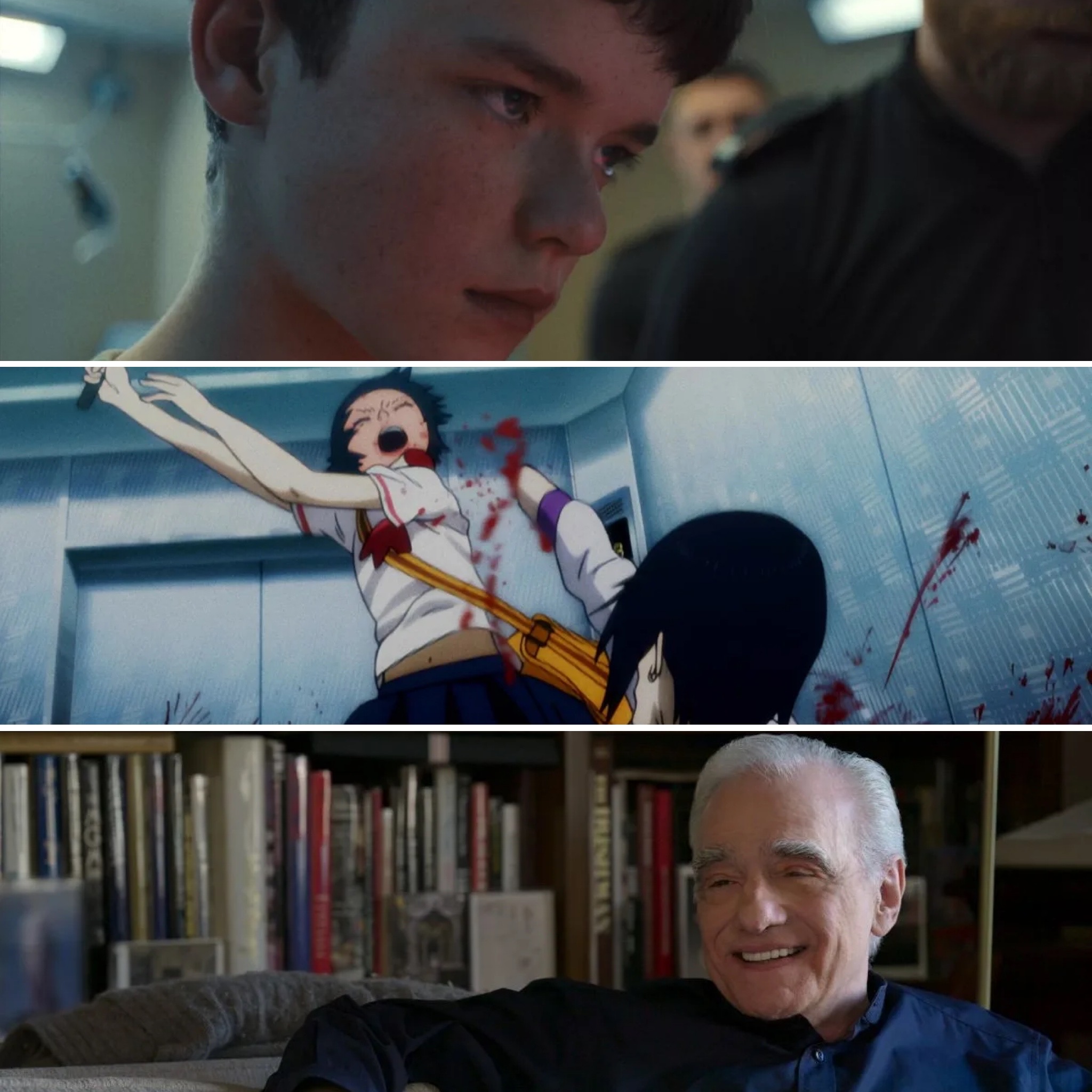
Since Netflix has finally agreed to have a “Stranger Things” finale released in theaters, I hope they will one day do the same for their awe-inspiring four-part miniseries, “Adolescence.” By limiting each hour-long episode to a single take that unfolds in real time, director Philip Barantini and master cinematographer Matthew Lewis leave us to piece together what occurred offscreen, and the picture it creates is horrifying. Stephen Graham plays a father whose 13-year-old son, Jamie (Owen Cooper), is suspected of murdering a female classmate. Jamie is so heartbreakingly vulnerable in these opening moments that it’s hard to believe he would be capable of committing such a monstrous act. But the camera refuses to look away, and the longer we focus on these characters, the more we discover about their alienation, insecurities and volatile rage. At a time when toxic masculinity is being empowered by world leaders, there is tremendous value to be gleaned from this cautionary tale.
Speaking of toxicity, it’s been impossible to listen to whatever has come out of Quentin Tarantino’s mouth lately without cringing. That’s a damned shame because it has taken the attention away from the definitive cut of his crowning achievement, which is playing on new film prints throughout the country (I sure hope the Music Box gets ahold of one). What “Kill Bill: The Whole Bloody Affair” illustrates, above all, is that Uma Thurman’s performance as the avenging Bride surely ranks among the greatest in all of cinema. It provides the heart and soul for this exultant display of filmmaking exuberance. If you’d rather celebrate great cinema with someone more eloquent, look no further than Rebecca Miller’s engrossing five-part docu-series, “Mr. Scorsese,” which chronicles the life and career of its titular subject. Though it fails to touch upon one of Martin Scorsese’s best later efforts, 2011’s family friendly “Hugo,” Miller’s gift for interviews and analysis makes this utterly addictive. Among my favorite nuggets is how Scorsese’s window perch from his youth is reflected in his choice of camera angles, a key example of why films created by humans will always be infinitely more interesting than plagiarized data regurgitated by AI.
Sixteen More Honorable Mentions: “The Annihilation of Fish,” “Anniversary,” “Blue Moon,” “Bugonia,” “John Candy: I Like Me,” “The Life of Chuck,” “Little Trouble Girls,” “The Monkey,” “My Mom Jayne,” “Nouvelle Vague,” “The Perfect Neighbor,” “Put Your Soul on Your Hand and Walk,” “The Secret Agent,” “Stiller & Meara: Nothing is Lost,” “Together,” “Wake Up Dead Man: A Knives Out Mystery”
 Indie Outlook